The alternative title for this blog should be “The Failure of Timber Markets”.
And here is another update from NZ:
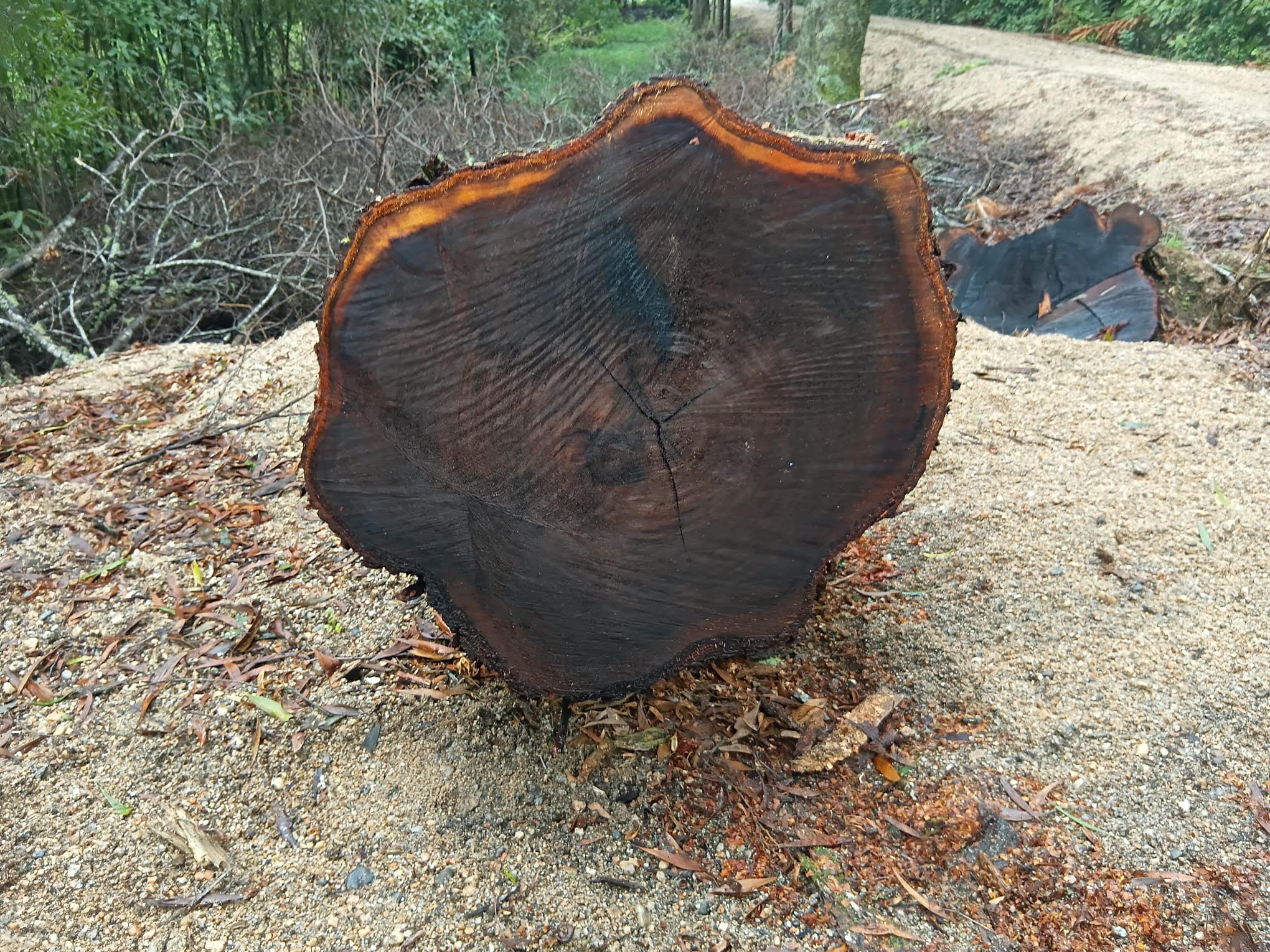
Dad just dropped a few trees to clear way for the milling pad. There is the heartwood.
Guess we will be milling as its too high a percentage to burn..
Regards Jamie.
In a few years time Australia will be importing Tasmanian blackwood timber from New Zealand farmers. All I can say is good luck to New Zealand farmers, because Australian/Tasmanian farmers couldn’t care less.
That photo is just outstanding. Premium grade Tasmanian blackwood grown by New Zealand farmers.
In the forestry world cup: New Zealand 20, Australia 0.
The alternative title for this blog should be “The Failure of Timber Markets”.
Back in August last year I received an email from a blackwood grower in New Zealand who had a blackwood plantation ready to harvest. He was looking for buyers.
Here is his latest email. It makes for depressing reading.
Hi Gordon,
Just wanted to share with you a brief summary of our experience trying to sell tasmanian blackwoods in nz.. its been a difficult and frustrating road. Feel free to share if you like.
So we have reached out to dozens of sawmills, brokers etc in nz with details of our small but ready to fell forest.
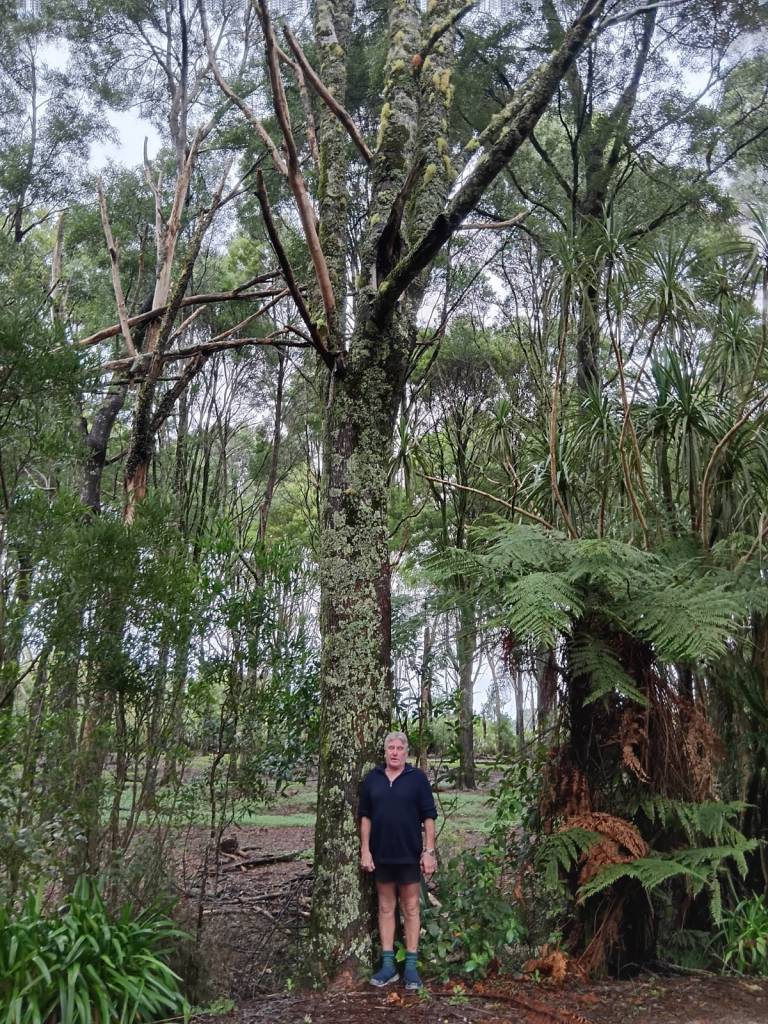
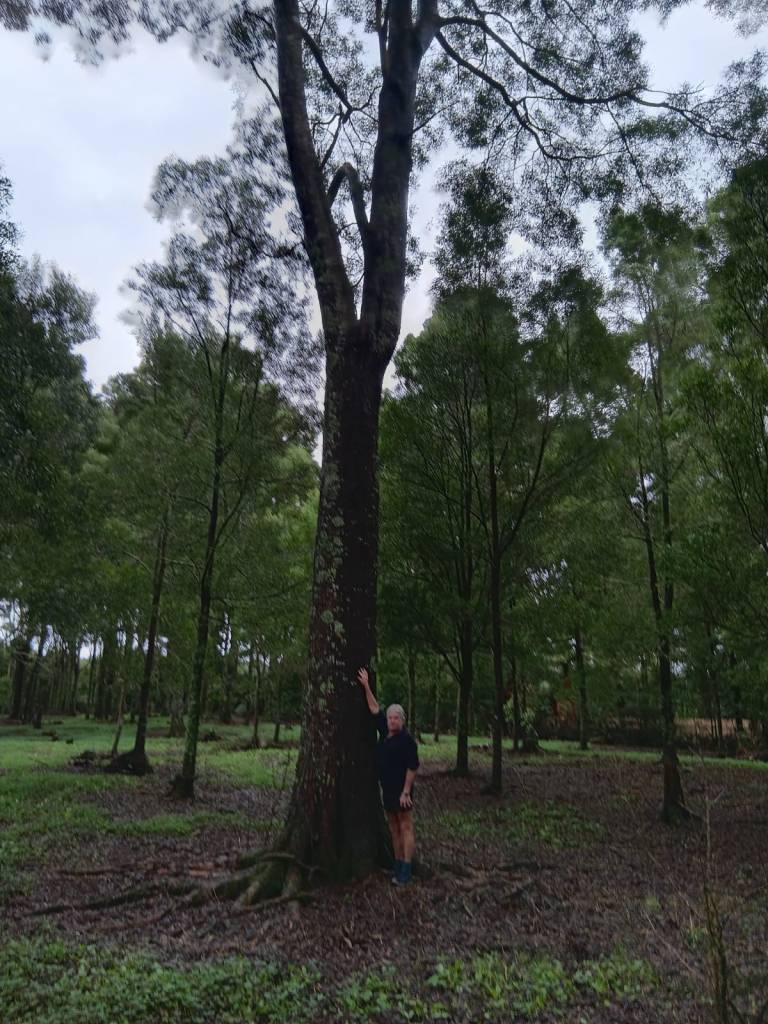
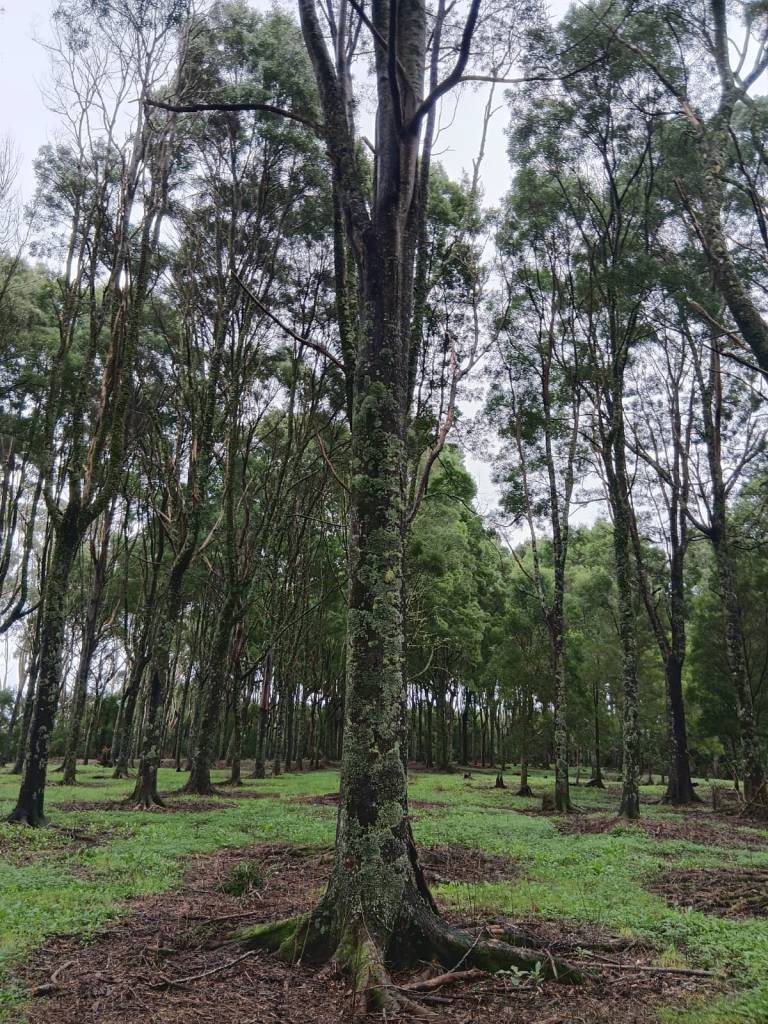
(Approx 200-300 trees, 35 years old, 6-8m clear trunks with a DBH between 600-800mm)
Several have been great with communication but the price offers have been truly abysmal..
We are getting an offer with a rough average price of NZ $200/ton for the logs delivered to the mill… given freight costs etc this would end up closer to $150/ton
It’s been quite a shock as this is even lower than we would receive in firewood prices..
So we now will consider looking into purchasing a mill and milling/drying etc ourselves but given the amount of work involved we may yet reach the conclusion that simply selling this beautiful timber as firewood is the better option.
A rather sad outcome given the hard work, love and dedication my father has poured into this forestry project over 35 years.
The disparity between what the consumer is asked to pay and what the growers are offered is just too big.. I have sympathy for the builder or house owner trying to put in beautiful blackwood flooring and being quoted tens of thousands of dollars while the price given to growers is a few hundred.
Once this is finally behind us next will come the question of what to plant next? Given the prices for blackwoods I can’t justify doing it again so we will perhaps give up on this industry and continue instead with firewood production which is selling for $300-$500 per ton.
Such a sad end to a wonderful project, the logs being mostly 8m clear will produce beautiful flooring, tables, desks etc but may never be given the chance to become anything more than ash in someone’s fireplace.
Thank you for your emails over the last year your work is appreciated and your site a wealth of knowledge.
Kindest regards
Jamie
Unfortunately Jamie’s experience is not unusual. In New Zealand, and to a much lesser extent in Australia, farmers have been planting and growing durable and decorative hardwoods and softwoods in the hope of one day selling their logs/timber into an appreciative timber market. After many decades that appreciative timber market is yet to appear. The hopes and dreams of those farmers are been destroyed.
Neither here in Australia nor in New Zealand has proper functioning timber markets ever developed.
Here in Australia there are 10,000’s of businesses that rely on a supply of durable and decorative timbers and I have yet to find a single business that expresses any interest in their future timber supply.
Trees take a while to grow. Much forward planning and work is needed if any timber will be available in the future. And 10,000s of businesses couldn’t care less. Is it wilful ignorance or head in the sand?
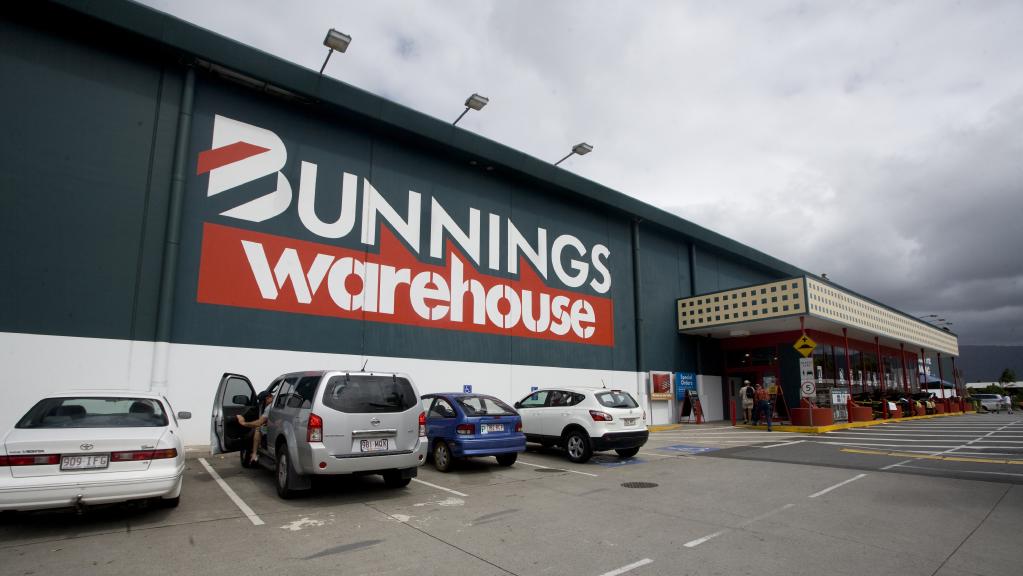
Even Australia’s biggest timber retailer @Bunnings expresses zero interest in the future supply of timber.
The timber market is heading for a catastrophic collapse in a few years time. That is 100% guaranteed. All decorative and durable timbers will have to be imported, assuming they are even available. Public native welfare forestry will end in Australia. That is 100% guaranteed.
After decades of hard work and waiting it would be an absolute travesty to see Jamie’s blackwood timber resource turned into firewood, and his father’s legacy destroyed. But that common story seems to be what the timber market wishes. The result of wilful ignorance!
The only future for durable and decorative hardwood and softwood timbers is with farm forestry. Fully commercial and profitable. That wont happen until the timber market wakes up!
I received this message a while back from a blackwood grower in New Zealand and offered to post details on my website:
Hello all,
We own a small blackwood forest/plantation in NZ and are trying to find how we can sell our logs into the Australian market, rough details, 600-800mm DBH, clear pruned to between 6/8m approx age 30 years, roughly 300 trees, willing to fell and export to australia in shipping containers once buyer/wholesaler found..
Any help greatly appreciated feel free to email me at jamieinbrussels@gmail.com for further details etc.
Regards
Jamie
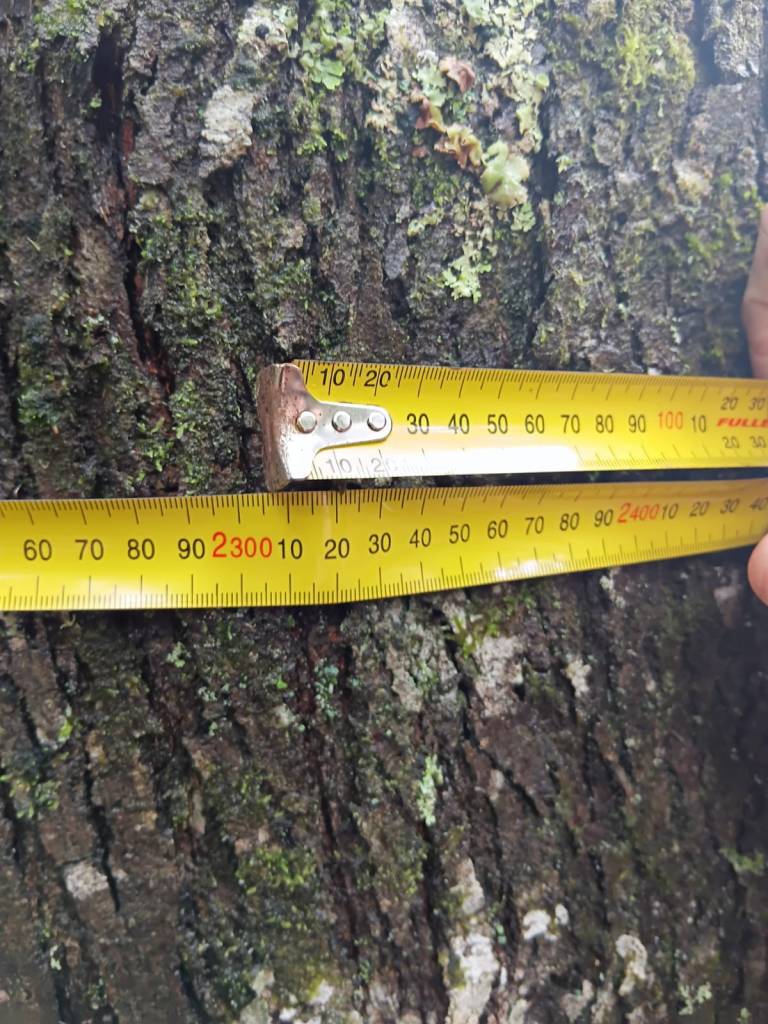
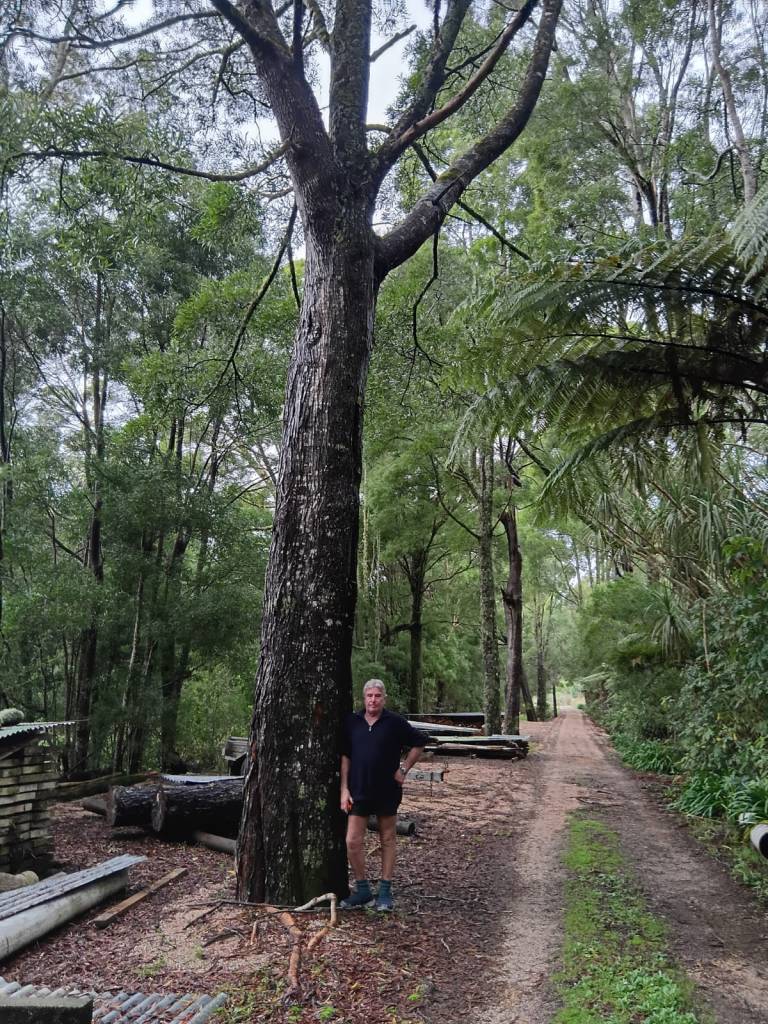
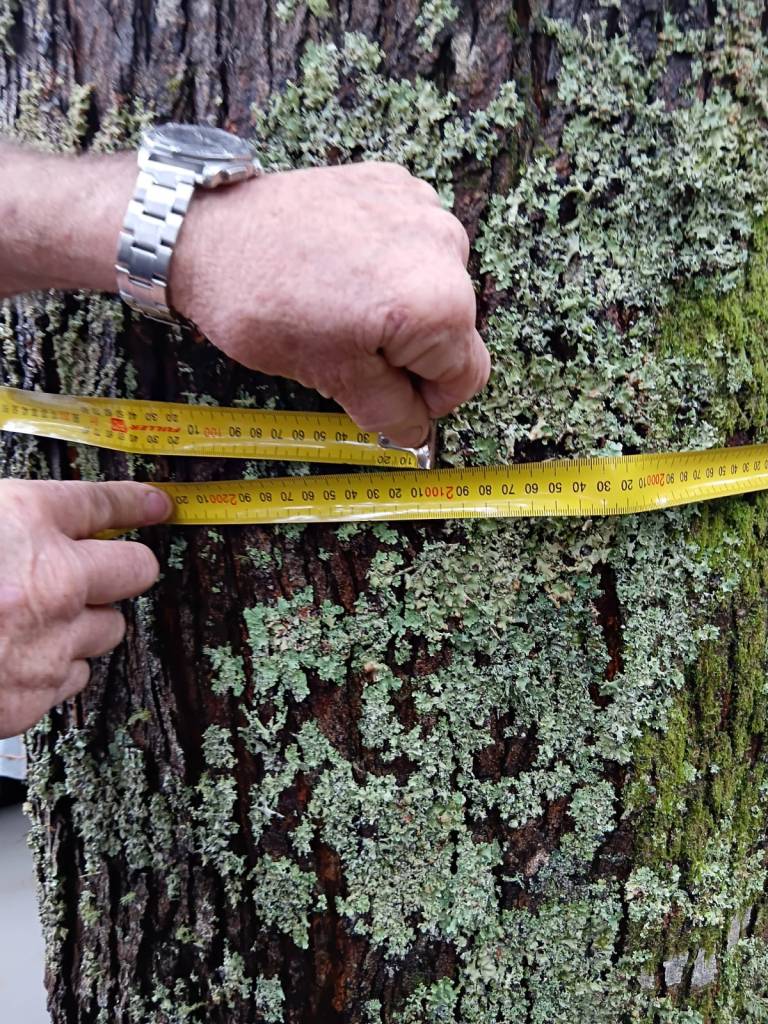
Photos of this resource are below.
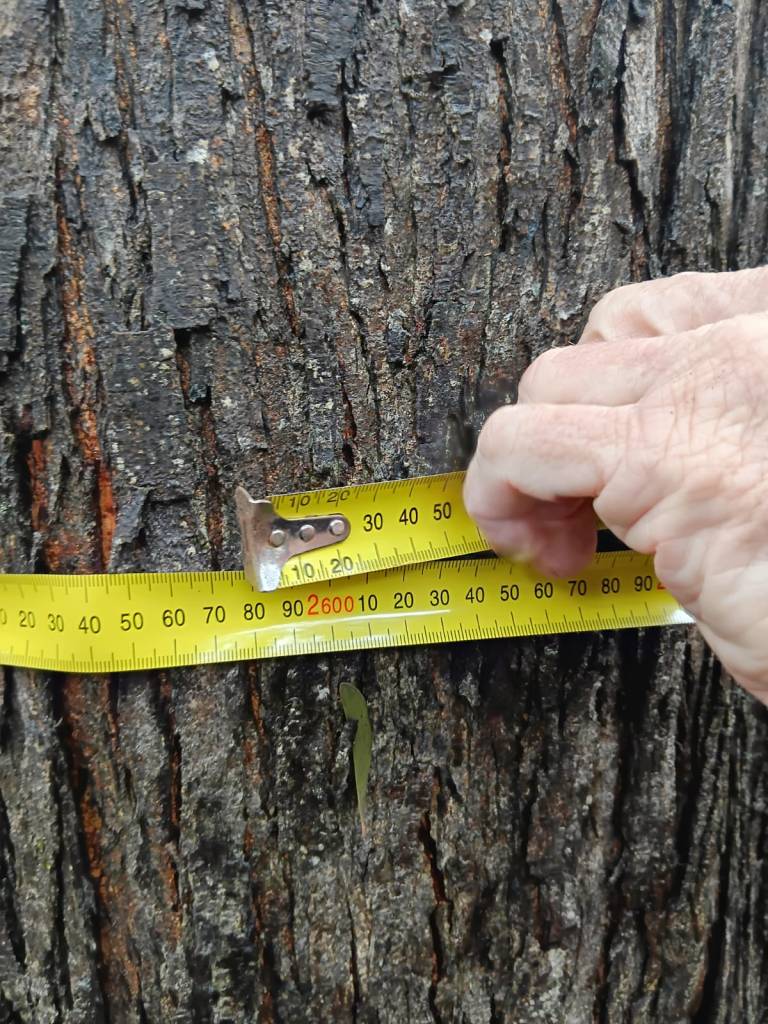
Please note: A 600/800mm diameter (DBH) tree has a circumference of 188/251 cm. Some trees are over 800mm diameter
From the above description and the photographs, this plantation (if well pruned and managed) should contain 300 – 500 cubic metres of premium blackwood logs 6 – 8 metres in length.
It is very difficult for small time tree farmers to break into the timber market. There are very few businesses (sawmillers, log merchants and timber merchants) out there supporting small scale tree farmers either in New Zealand or Australia. This is one of the major issues holding back farm forestry.
Unfortunately the diary containing the plantation management and pruning history for this plantation has not been located. From a log buyers perspective it is important to understand the management history of a plantation especially the pruning history. The price difference between a clear pruned log and a knotty log can be very significant!
(comment from owner) within the next few weeks one log will be milled and photos available upon request to provide an idea of grain, knots and quality. please email for details
This premium blackwood timber resource would suit an architect, designer or developer working on a large project such as premium apartments or offices. Beautiful farm grown timber with a great back story.
If there is anyone out there in either Australia or New Zealand (or elsewhere) who may be interested in this opportunity please contact Jamie directly on:
I was going to write about this New Zealand report a few months ago but didn’t.
And now I realise what the problem was!
New Zealand farmers have been planting and growing a wide range of timber species for many decades now. And now there is an increasing backlog of timber waiting to find a market!
But the New Zealand domestic market is not used to buying farm grown timber (unless its pine or douglas fir).
Most decorative and specialist timber in New Zealand is imported.
Hence the name of the report!
But the name is wrong and reflects poorly on the report authors.
That kind of national self-sufficiency, anti-commercial, anti-competitive thinking is typical of the forest industry in Australia.
But New Zealand has a fully commercial, fully competitive forest industry.
New Zealand farm foresters don’t want industry protection (as the name of the report implies). They want access to proper functioning timber markets.
That means providing a quality product at the right price that the market wants.
It means better understanding by farmers of what timber the market wants and at what price. Growing a random assortment of tree species in the hope of one day finding a market for your timber is bound to end in disappointment.
It means building relationships between key market players – growers, loggers, sawmillers, wood merchants, builders, architects, etc..
And critically it also means creating export markets for New Zealand grown decorative and specialist timber, because New Zealand farmers will eventually overwhelm local markets.
So a better name for this report would have been “DEVELOPING MARKET ACCESS”.
Let me finish on a positive note…
Despite the dodgy name the report is an excellent summary of the numerous issues facing New Zealand farm foresters as they try and build a proper functioning timber market. I wish them every success!
This is the conversation we should have been having 50 years ago when the forestry wars began!
These are the important questions that will determine the future of the forest industry in Australia.
The end of Public Native Welfare Forestry in Australia has been coming for decades. But so many people dependent on it have chosen to ignore this fact.
Most furniture makers and builders just expect quality timber to be in the marketplace ready to buy. They have no interest in securing their own future.
How do furniture makers support farm forestry? Will furniture makers and builders support farm forestry??
New Zealand farmers have been happily growing quality timbers including lots of different eucalypt species, and blackwood, for decades. Why can’t Australian farmers?
Why don’t Australian furniture makers support New Zealand farmers and buy New Zealand grown quality wood? New Zealand farmers would love to sell their quality wood to Australian furniture makers.
If New Zealand wants timber, New Zealand farmers grow it!!
Why can’t Australian farmers grow timber for Australia??
Australia has never had a proper forest industry. Nor has it ever had proper functioning wood markets.
It has all been welfare, ideological and political!!
Not an ounce of commercial reality anywhere!!
Imagine if Australian furniture makers got behind and supported farm forestry in Australia. Just imagine the huge transformation that would initiate!!
The argument that you can’t make quality furniture out of plantation timber is of course utter bullshit. It is part of the bullshit the forest industry says to justify plundering taxpayers and our public native forests.
“We’ve never been able to grow jarrah or karri well in plantations,” Mr de Fégely said.
That is true for Jarrah, but not true for Karri. Karri is a very fast growing eucalypt species. It has been grown in plantations in South Africa for almost a century.
When it comes to defending public native welfare forestry, the forest industry will completely disparage farm forestry.
The final comments from forestry head Rob de Fégely are utterly stupid.
Growing trees for wood production is NOT welfare, it is business!!
Mr de Fégely wants to keep defending the welfare forestry model.
It’s time we gave welfare forestry the flick!!
It is time to support farm forestry in Australia!!
Notice the headings across the top of the page. How do they compare with the New Zealand website?
The Australian website contains nothing about Contractors & Suppliers nor about Market Information & News!
Why is that?
Are there no forestry markets in Australia?
Do tree growers in Australia not want access to uptodate market information?
Or is it because profitable tree growing is not the focus of the forest industry in Australia?
New Zealand has a real forest industry where the focus is on supporting tree growers to make sure they are as viable and profitable as possible. That way more farmers plant trees, the forest industry expands and has a successful future.
It is a successful simple industry model!
PF Olsen NZ is acutely aware of this and do their bit to ensure tree growers and the forest industry share a successful future.
Go to PF Olsen’s New Zealand website and check out their Market Info & News. It’s a great resource for NZ farmers!
Curiously PF Olsen Australia does not seem to share the same vision.
The focus of the forest industry in Australia has always been about supporting and subsidising domestic processors, at the expense of growers and the future of the industry.
Curious to hear your thoughts on this.
Please post a comment…
PS. If anyone can find a single Australian forest industry website that provides uptodate market information I’d love to know. Thanks.
As usual the New Zealand forest industry is generations ahead of anything happening here in Australia.
This new proposal to establish a NZ Specialty Timbers Association is just brilliant.
Unlike specialty timbers in Tasmania, the industry in NZ has nothing to do with plundering public native forests, or endless, repetitive political games.
New Zealand’s specialty timbers are farm-grown, and include plantations and managed native forest.
A discussion paper about the proposal is available from the above website. It is only 5 pages and well worth reading.
One of the interesting aspects of the proposal is the key role which portable sawmillers will play in the Association; providing the vital link between the marketplace and the thousands of specialty timbers growers in New Zealand.
The current focus of the discussion paper is on the NZ domestic markets which is fine. There are plenty of opportunities locally. But there are a few specialty species (incl. Blackwood) for which available volumes are already in excess of domestic demand, so that export markets must be developed immediately.
Two aspects that I believe are vital for the new Association to consider:
An Industry Plan is needed, with objective, measurable goals and regular reviews. Having thousands of farmers randomly planting thousands of different timber species with no vision or coordination, will not build a viable future. The marketplace needs to develop a select list of preferred species, so that viable marketable quantities of quality wood from these species are available to the market.
Lots of marketplace support and feedback, from builders, architects, craftspeople, etc., needs to be generated so that farmers can have a sense of what they are doing and why. Currently the marketplace completely avoids thinking 10, 20, 30 years into the future when it comes to timber supply. This must change!!
I will follow this story as it develops over the coming months and years.
Sorry Andrew but you deserve a complete bucketing for that mess!
Never mind the total absence of any objective market data (of which SFM Forest Products would have an abundance), the overall sentiment of the article is that the forest industry is full of risks and uncertainties. Better to put your money in a poker machine!!
Does the article inspire anyone to plant a tree for the future?
No way!
The forest industry continues to treat Tasmanian farmers as idiots, and Mr Morgans “Market Report” is a classic example.
By way of comparison here are two forest industry websites in New Zealand
The New Zealand forest industry treats the farming community as essential partners in the industry, with complete and total respect. The focus of the industry in NZ is profitable tree growing. It’s a unique and successful approach.
You wont find a single forest industry website in Australia that looks anything like these.
There are dozens, hundreds of other people out there in the forest industry and the broader marketplace that could be providing regular vital market information to farmers to encourage and support them to plant trees, but all these people, without exception, refuse to do so! Such is the culture within the industry.
I’ll give you ½ mark for trying Andrew and I expect a much better attempt NEXTMONTH!
Ian Brown is a blackwood grower and co-author of Blackwood A handbook for Growers and End Users, the New Zealand bible on all things blackwood.
He has recently written a fine update on blackwood research including some new findings about clonal blackwood. It is available on Ian’s blog on the New Zealand Farm Forestry Association website (link below):
I wrote back in May about Bunnings, their fantastic timber policies, and how it was time for Bunnings to live up to those policies when it comes to their support for public native forestry in Australia:
Federal and State Governments refuse to resolve the disaster that is public native forestry in Australia so its time (finally) for the market to take responsibility.
Hooray for that!!
Hardware chain Bunnings has put VicForests on notice that it must reduce its impact on Victoria’s native forests or risk losing its custom, after the state-owned forestry company failed in its [third] bid to achieve green [FSC] certification.
Bunnings needs to also issue this warning to Tasmania’s State-owned forest agency Sustainable Timbers Tasmania.
Bunnings is Australia’s largest hardware chain with annual turnover of $11 billion and over 31,000 employees. It is Australia’s largest timber retailer.
Bunnings could be about to change the face of the forest industry in Australia and bring the industry into the 21st century.
So what else could Bunnings do to support a real forest industry in Australia?
The future of the forest industry in Australia is with profitable private tree growers.
Bunnings needs to start talking with farmer groups. There is a long road ahead and many years of neglect to make up, but forestry is about the long term.
Since Bunnings is also in New Zealand they should form a partnership with the New Zealand Farm Forestry Association (NZFFA), and support Kiwi tree growers.
Hooray for Bunnings!!!
Addendum
Upon further reflection one has to wonder exactly what is Bunnings hoping to achieve from its warning to Vicforests?
Vicforests has now failed to achieve FSC Certification three times!!
What possible assurances or changes in behaviour can Vicforests provide that will satisfy Bunnings but failed the Forest Stewardship Council test?
Surely a “three strikes” result from the FSC should be enough for Bunnings to stop supporting Vicforests.
Public native forestry in Australia is fundamentally compromised. It cannot achieve suitable environmental, community, political and commercial outcomes all at the same time. That is mission impossible!!
Bunnings and the rest of the timber market need to wake up to this fact.





Going backwards!
There are many reasons why the forest industry in Australia is going backwards.
Here is just one small example:
PF Olsen is a forestry services company which started in New Zealand, but has also opened offices in Australia.
Here is their New Zealand website:
https://nz.pfolsen.com/market-info-news/
Notice the headings across the top of the page.
Now here is their Australian website:
https://au.pfolsen.com/
Notice the headings across the top of the page. How do they compare with the New Zealand website?
The Australian website contains nothing about Contractors & Suppliers nor about Market Information & News!
Why is that?
Are there no forestry markets in Australia?
Do tree growers in Australia not want access to uptodate market information?
Or is it because profitable tree growing is not the focus of the forest industry in Australia?
New Zealand has a real forest industry where the focus is on supporting tree growers to make sure they are as viable and profitable as possible. That way more farmers plant trees, the forest industry expands and has a successful future.
It is a successful simple industry model!
PF Olsen NZ is acutely aware of this and do their bit to ensure tree growers and the forest industry share a successful future.
Go to PF Olsen’s New Zealand website and check out their Market Info & News. It’s a great resource for NZ farmers!
Curiously PF Olsen Australia does not seem to share the same vision.
The focus of the forest industry in Australia has always been about supporting and subsidising domestic processors, at the expense of growers and the future of the industry.
Curious to hear your thoughts on this.
Please post a comment…
PS. If anyone can find a single Australian forest industry website that provides uptodate market information I’d love to know. Thanks.
Leave a comment
Posted in Commentary, Markets, New Zealand
Tagged PF Olsen