
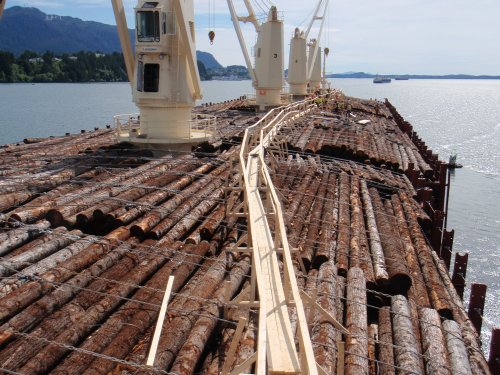
I am getting enquiries from buyers in Asian markets looking to buy blackwood from Tasmanian farmers. Here’s a recent example:
Dear Dr. Gordon Bradbury
How are you? I hope you all are very good!
This is Paul ███ from ███ Furniture that is a furniture wholesaler in Victoria, And in Guangdong China have own furniture factory. Our factory produces leather sofas, bed and wooden furniture.
Recently, we knew that a Chinese company import 20 containers of blackwood logs from Tasmania, we are very interested in this product, I would like to know can you supply the blackwood to us?
Or if you can provide us the supplier for our future’s potential cooperation, that will be grateful!
Looking forward response for you soon
Best Regards
Paul ███
Director
I’m happy to put this enquiry up on my website to help improve forest market transparency.
The question is what exactly do these buyers want, what volumes, and at what price?
The next question is what farm blackwood resource is available to meet the demand, and how do we mobilise more of the Tasmanian farm blackwood resource? The farm blackwood resource in Tasmania is generally of average to poor quality because Tasmanian farmers have mostly never considered themselves tree growers, so the existing blackwood is unmanaged.
And finally can market demand for premium Tasmanian blackwood progress to the point where Tasmanian farmers regard growing premium blackwood as a commercial profitable opportunity and begin planting?
Given the Tasmanian political and forest industry context, I suspect this change in the farming community will take more than just normal market forces. It will also require market leadership and support!
I’m happy to pass these enquiries on to any log traders or sawmillers out there, but my objective is to build the blackwood industry. This means using market demand and price to encourage farmers to establish blackwood plantations and actively manage their remnant blackwood forest.
Is anyone up for the challenge?
Please contact me if you want details.
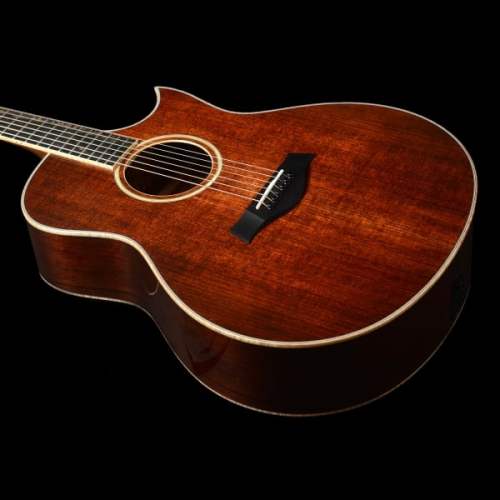
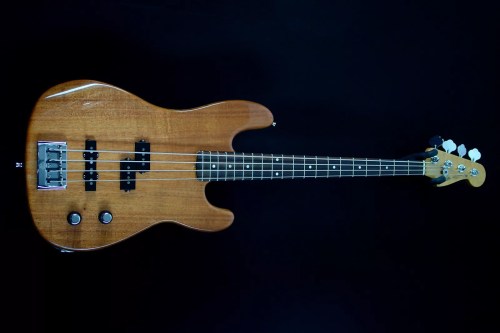
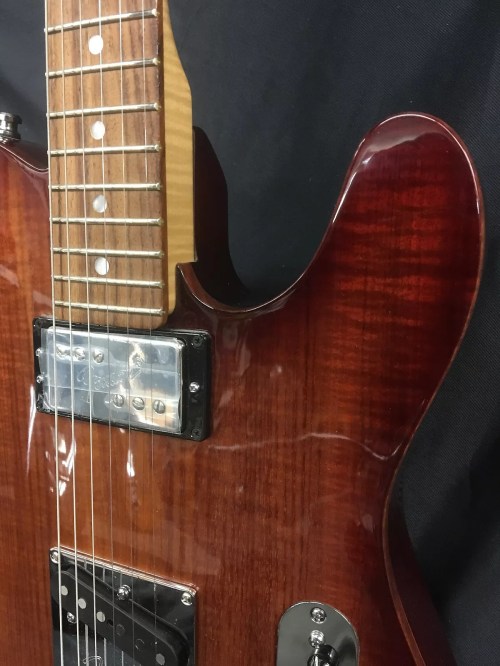
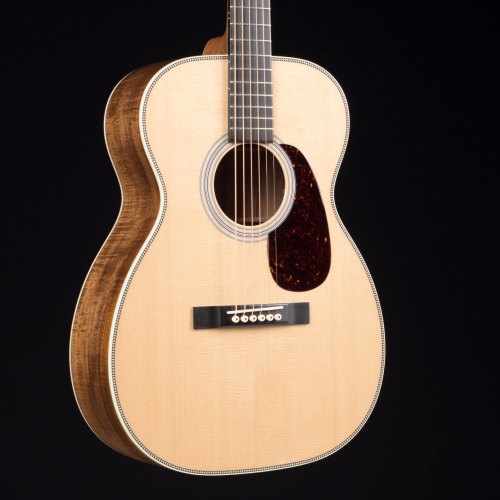
Can premium blackwood timber once again become an iconic quality Tasmanian product?





 Tasmanian Blackwood Growers Cooperative
Special Timbers in Western Australia
Forest Products Commission (FPC) of Western Australia (the Government forest agency) puts all special timbers that come from Crown land and State forest to public auction. The objective is not for the Forest Products Commission to maximise revenue (unfortunately that is not one of their corporate objectives), but to be impartial in terms of who gets access to the limited resource, and attempt to ensure some kind of fair market price is paid. I’m guessing much of this because the FPC actually tells us very little about their special timbers operations.
http://www.fpc.wa.gov.au/timberauctions
http://www.fpc.wa.gov.au/speciality-timbers-go-under-hammer
There are generally four auctions per year, the first for 2017 is this Saturday the 6th of May. Over 100 lots are to be auctioned this Saturday totalling over 1,000 tonnes of specialty woods.
Here’s the auctioneers website:
https://www.auctions.com.au/auctions/2017/05/06/wa-log-burl-burl-slices-craft-packs-and-slabs-auction.html
Western Australia doesn’t have a Special Timbers Management Plan. Whatever wood is salvaged from other activities on Crown Land and State forest is what special timbers are available and that’s it.
There are no taxpayer subsidies (that I can see anyway) and no logging of parks and reserves just to pander to the wood craft people.
In 2016 FPC auctioned approximately 3000 tonnes (approx. 3,000 cubic metres) of specialty timbers. That’s 150 truckloads of specialty timbers. Compare that with just 200 cubic metres tendered by Island Specialty Timbers/Forestry Tasmania last year.
The FPC is reluctant to talk about their specialty timbers operations, apart from announcing the auction dates. Here is the sum total of what the last FPC Annual Report had to say:
Local buyers bid keenly for a variety of Goldfields timbers for musical instruments, wood turning projects and unique pieces of furniture. Wood from this region is difficult to access, and bidders at the auction were impressed by the bold colours and patterns found in the timber.
Also on offer was a selection of South West native forest specialty feature timbers including marri, blackbutt and sheoak.
That’s it!!
Just some motherhood statements!!
No discussion about sales highlights, market conditions, total volume sold or total revenue.
If the FPC wanted to engage with stakeholders and the general public this would be a great opportunity. Apparently not!!
Like Forestry Tasmania the Forest Products Commission is not run as a commercial business but as a community service to achieve political objectives. Being a profitable tree grower is not the vision of either of these public forest managers.
Remember the only basis for a successful forest industry is profitable tree growers and public auctions are a great way to maximise profitability and create greater market transparency.
Leave a comment
Posted in Commentary, Island Specialty Timbers, Markets