-
Join 148 other subscribers
-
Recent Posts
- UPDATE 2- Blackwood grower in New Zealand looking for markets July 18, 2026
- UPDATE – Blackwood grower in New Zealand looking for markets July 13, 2026
- 2026 Tasmanian oak prices at Bunnings Hardware January 24, 2026
- Blackwood grower in New Zealand looking for markets August 23, 2025
- An open letter to Kirsha Kaechele February 13, 2025
- Tasmanian oak prices at Bunnings Hardware January 9, 2025
- Australian hardwood timber prices double one year on from native forestry ban November 13, 2024
- IST Tender Results 2023-24 July 10, 2024
Categories
- 2018 State Election
- Australian Wooden Boat Festival
- Bunnings
- CF Martin Guitars
- Cole Clark Guitars
- Commentary
- Cooperatives
- Cort Guitars
- Drums
- Events
- For sale
- Forest Stewardship Council (FSC)
- Forestry Tasmania
- Funding
- Furniture
- Hydrowood
- Island Specialty Timbers
- Maleny Wood Expo
- Management
- Management Plan
- Markets
- Maton Guitars
- MONA Forest Economics Congress
- National Farm Forestry Strategy
- New Zealand
- Plantations
- Politics
- Price Lists
- Prices
- Private Forests Tasmania
- Public Native Forestry
- Stringfest
- Support
- Sustainable Timbers Tasmania
- Tasmanian Forest Products Association
- Taylor Guitars
- Tonewood
- Uncategorized
- Wanted
Recent Comments
gordonjbradbury on 2026 Tasmanian oak prices at B… Bruce on 2026 Tasmanian oak prices at B… John Hill on 2026 Tasmanian oak prices at B… Brett Waring on An open letter to Kirsha … Bruce Gibbs on Tasmanian oak prices at Bunnin… Archives
- July 2026
- January 2026
- August 2025
- February 2025
- January 2025
- November 2024
- July 2024
- June 2024
- December 2023
- November 2023
- October 2023
- August 2023
- July 2023
- June 2023
- May 2023
- March 2023
- February 2023
- August 2022
- June 2022
- February 2022
- December 2021
- November 2021
- October 2021
- September 2021
- August 2021
- July 2021
- May 2021
- April 2021
- March 2021
- November 2020
- October 2020
- September 2020
- August 2020
- July 2020
- June 2020
- May 2020
- April 2020
- January 2020
- December 2019
- November 2019
- August 2019
- July 2019
- May 2019
- April 2019
- February 2019
- January 2019
- October 2018
- September 2018
- August 2018
- July 2018
- June 2018
- May 2018
- April 2018
- March 2018
- February 2018
- January 2018
- December 2017
- November 2017
- October 2017
- September 2017
- August 2017
- July 2017
- June 2017
- May 2017
- April 2017
- March 2017
- February 2017
- January 2017
- December 2016
- November 2016
- October 2016
- September 2016
- August 2016
- July 2016
- June 2016
- May 2016
- April 2016
- March 2016
- February 2016
- January 2016
- December 2015
- November 2015
- October 2015
- September 2015
- August 2015
- July 2015
- June 2015
- May 2015
- April 2015
- March 2015
- February 2015
- January 2015
- December 2014
- November 2014
- October 2014
- September 2014
- August 2014
- July 2014
- June 2014
- May 2014
- April 2014
- March 2014
- February 2014
- January 2014
- December 2013
- November 2013
- October 2013
- September 2013
- August 2013
- July 2013
- June 2013
- May 2013
- April 2013
- February 2013
- November 2012
- October 2012
- August 2012
- July 2012
- June 2012
- May 2012
- April 2012
- March 2012
- February 2012
- January 2012
- December 2011
- November 2011
- October 2011
Meta
Category Archives: Markets
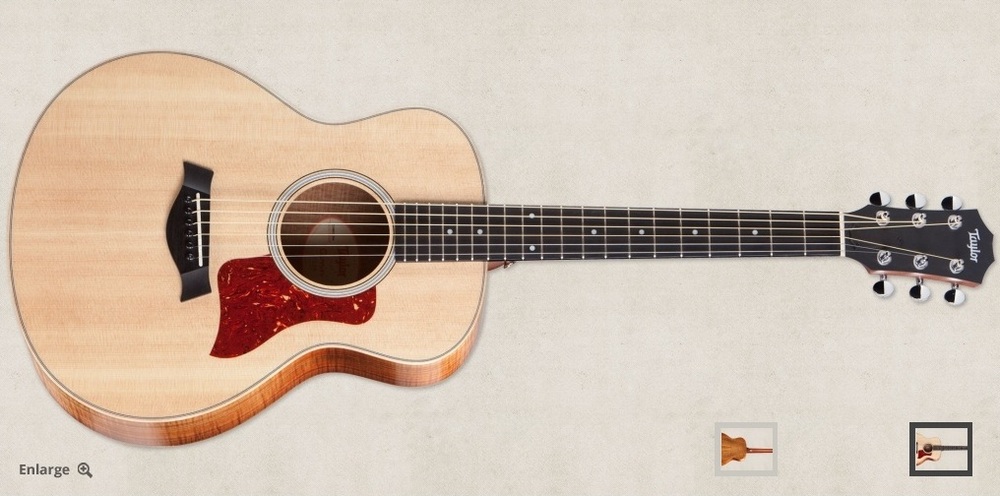
Taylor GS mini blackwood guitar
Taylor Guitars based in San Diego, California, are one of the major American makers of acoustic guitars.
Here is their latest model guitar featuring Tasmanian blackwood.
Blackwood tonewood timber retails for >$50,000 per cubic metre sawn, compared with normal furniture grade blackwood that retails for ~$4,000 per cubic metre.
At these prices the tonewood market has the potential to have a significant impact on the commercial future of blackwood.
All we need to do is realise that opportunity.
Help us to realise that future by supporting the Blackwood Growers Cooperative.
Posted in Markets, Taylor Guitars, Tonewood
Award Winning House has Blackwood Floor
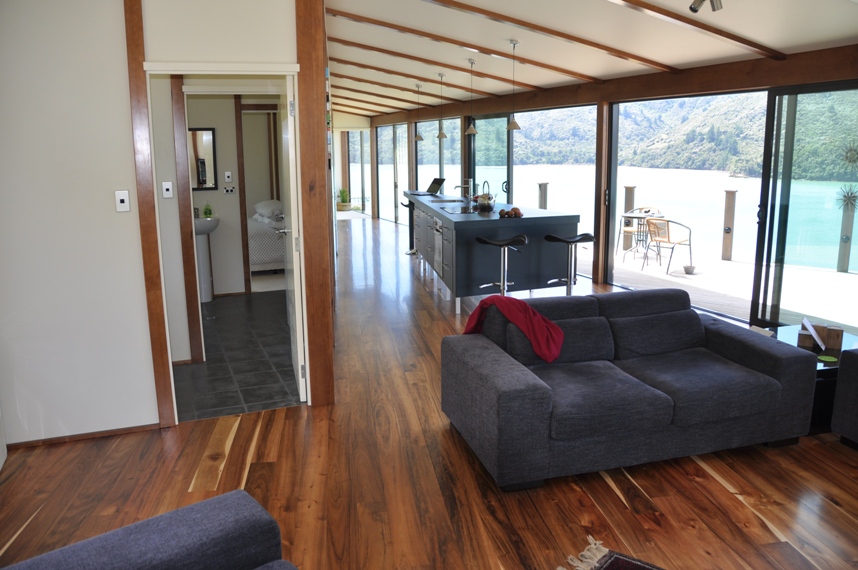
Last year the New Zealand Registered Master Builders 2011 House of the Year featured a stunning blackwood floor. But this was no blackwood imported blackwood from Tasmania, this was New Zealand plantation-grown blackwood.
http://www.houseoftheyear.co.nz/index.asp?id=83
The following is an article from the latest New Zealand Tree Grower journal (Feb 2012) written by Ian Nicholas and Paul Millen. Ian Nicholas is Chairman of AMIGO (the NZ blackwood growers group) and Paul Millen is a director of Marlborough Timbers
In November last year, a Marlborough Sounds house built by Glenroy Housing of Blenheim won the New Homes category $350,000 to $450,000 house of the year Registered Master Builders award. The house went on to claim the Supreme House of the Year award fighting off one and two million dollar houses. The house has been built for Marcus and Alex Myring who see their home as very special.
The Master Builders promotional description of the house states that locally milled blackwood has been laid in a distinctive pattern in the main living room, achieving a blend of warmth and sophistication and complementing the natural timber used extensively inside and out.
The judges in the new home category noted that the authentic blackwood timber flooring, locally milled and conditioned on site, has been laid to perfection with an innovative border trim, just one example of the complex detailing executed to perfection.
The timber for the floor was locally grown by Paul and Ash Millen of Marlborough Timbers at their forest, Tai Tane located nearby in Linkwater. They started sawing 18 to 20-year-old blackwood thinnings in 2004 when they first supplied timber for the floor of another Marlborough house.
Here is the builder’s website with lots more stunning images of the feature floor:
http://www.glenroyhousing.co.nz/awards.html
Examples like this clearly show that New Zealand farmers are well on track to producing high-quality, valuable, plantation-grown blackwood timber. Where are the Tasmanian farmers who will follow their New Zealand peers?
Cheers!
Posted in Markets, New Zealand
Blackwood: the sustainable tonewood
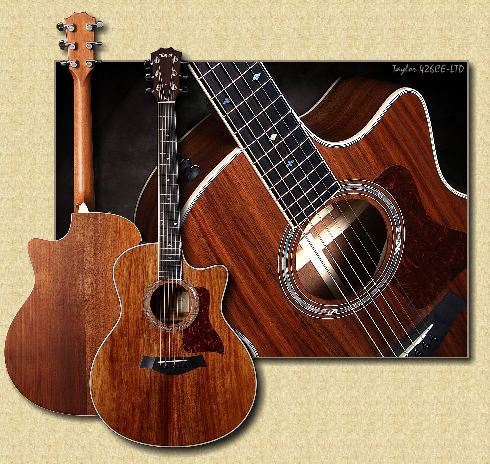
An American made Taylor 426CE-LTD, a premium guitar using Tasmanian blackwood top, back and sides.
One of the important drivers in the future of plantation blackwood I believe will be the demand for sustainable tonewoods. Tonewoods are woods used in the manufacture of musical instruments. Blackwood is most commonly used in the manufacture of acoustic guitars. While the volumes required may be relatively small, and the log specifications may be restrictive, the high value and prestige associated with this market will help drive the development of blackwood as a premium plantation species.
Like most music instruments the history and development of the guitar has been a struggle between tradition and innovation. In the case of the violin tradition reigns supreme, with the Cremonese era (17th – 18th century) being regarded as the pinnacle of violin manufacture. With the steel-string acoustic guitar, the pre-war (WW2) American guitars are today regarded as the pinnacle, but innovation and adaptation continue to drive the development of the guitar. One factor driving innovation is the supply of quality wood. Brazilian rosewood (Dalbergia nigra) is regarded as the holy grail of guitar tonewoods, but it is now subject to a CITES restrictions that severely limits availability. Like Brazilian rosewood, many traditional tonewoods come from the logging of rainforest, with very few coming from sustainable sources. This is where blackwood has a distinct advantage.
Blackwood entered the tonewood market due to the success of its American cousin Acacia koa. Hawaiian music was extremely popular in America in the 1920’s, with many guitars being made using Koa which is only found in Hawaii. As a result Koa quickly established itself as a quality tonewood. Koa wood comes from the logging of Hawaii’s very limited native forests, and with supplies dwindling, guitar makers are looking for a substitute. In Australia, Melbourne-based guitar makers Maton have pioneered the use of Australian timbers for many years, including blackwood.
Blackwood tonewood currently enjoys retail prices ranging from $70,000 for relatively plain sets, to $150,000+ per cubic metre for highly figured and decorative examples. I don’t have any figures that convert these prices back to stumpages (price at stump), but they must be considerably higher than standard sawlog stumpages.
With most blackwood timber currently coming from the logging of public forest in Tasmania, and with the ongoing uncertainty about the future management of these forests, the opportunity to establish a sustainable plantation resource to supply this market is great.
Major guitar manufacturers are becoming increasing involved in the supply side of their tonewoods, to ensure they come from quality, sustainable sources. Examples of this include the Musicwood Coalition (www.musicwood.org). One of my objectives with the blackwood growers cooperative would be to establish relationships with some of these major manufacturers such as Taylor, Martin and Gibson, so that their requirements for tonewood would help drive the development of the coop.
There is plenty of evidence to show that international demand for blackwood tonewood has increased dramatically over the last 10 years. We just need to get the supply side of the business working.
Cheers!
References
Ellis A, Saufley C, Gerken T (2008) The future of tonewood. Acoustic Guitar 18(8):80-86.
Evans P (2007) The use of blackwood in the Australian guitar-making industry. In: Beadle C. L. and Brown A. G. (eds) Acacia Utilisation and Management: Adding Value – 3rd Blackwood Industry Group (BIG) workshop. 26-29 April 2006, Marysville, Victoria, RIRDC Publication No. 07/095, Canberra, Australia. pp. 45-46.
Morrow A (2007) Evaluation of Australian timbers for use in musical instruments. J. W. Gottstein Memorial Trust Fund, Clayton South, Vic., Aust.
(http://www.gottsteintrust.org/html/reports/catalog.htm#AMorrow).

Those New Zealand farmers are on a winner growing blackwood.
The latest newsletter from AMIGO, the New Zealand blackwood growers group has just arrived. They are having their AGM on the 5-6th November 2011, but unfortunately I can’t attend. Maybe next year. The newsletter has some interesting information. Here are some quotes from AMIGO Chairman Ian Nicholas:
“In May I was fortunate to host two Chile Researchers from INFOR, the government Forest Research Institute, Juan Carlos Pinilla from Concepcion and Juan Carlos Valencia from Valdivia. I took them on a whistle stop tour of blackwood in NZ that included Hunua ranges, Waikato, King Country, Rotorua, Tauranga, Harihari and Canterbury.
From Canterbury I joined them to see blackwood in Tasmania. I think this was a major shock to them. Kiwis growing plantation blackwood and Tasmanians still pursuing mixtures or sticking with managing native regeneration. There were a few nice examples of good trees and some showing disastrous experiences.
I was a little frustrated, after visiting Tasmania for 23 ears, there is almost no best practice plantations to show a visitor! Even one of their key blackwood sawmillers suggested there was no future in plantations, will they still say that when we export timber to them?
While there the two Juans gave a talk to a forestry audience and I chipped in with a summary of NZ experiences with blackwood.
This fired up ex-blackwood researcher Dr Gordon Bradbury who has subsequently tried to initiate a blackwood growers group in Tasmania. As chairman of AMIGO I provided a letter of support, watch this space.”
So both the New Zealanders and the Chileans think Tasmania is lagging behind in developing its blackwood potential. Maybe it is time to change….
And here is another interesting piece from the newsletter:
“Blackwood timber fetches good prices: On the good news front Malcolm Mackenzie from Otorohanga, who felled some blackwood trees as part of a pine logging operation, had them sawn up and recently sold some dried timber to Peter King’s 4th Generation (http://generation-4.co.nz/) factory at Carterton. On boards that were clear on
two faces and met King’s criteria, Malcolm was receiving $3,000/m3.
With imported blackwood ranging from $3,120/m3 to $5,170/m3 for 100 x 25 mm to 150 x 40 mm respectively (www.timspec.co.nz) there is an opportunity for good prices from Z grown quality timber. Congratulations to Paul Millen who spotted that 30% is added to these prices for lengths 2.1 m or longer (i.e. $4,056/m3 and $6,72l1m3!). Another reason to get pruning blackwood for form and clearwood.”
The majority of New Zealand’s well-managed farm-grown blackwood is still a few years away from harvest age, but small volumes are starting to come onto the market, and obviously having no trouble getting good local prices, even in competition with blackwood imported from Tasmania!!
Cheers!
Posted in Markets, New Zealand