
Last Friday March 21st 2014 Will Hodgman Premier-Elect of Tasmania on behalf of the forest industry, and particularly on behalf of the special timbers industry, officially declared war on the Tasmanian community.
That was my immediate and clear response to this news item:
Does the special timbers industry want to be part of this war?
Does the special timbers industry want to be used and manipulated as the reason for this war?
As a member of the special timbers industry trying to establish a business to help move the industry onto private land and away from the politics and conflict of public forest management I certainly do not!

In the last 30 years I don’t recall the forestry wars being so formally declared, not with such blatant hostility and certainly not with the forest industry as reluctant (?) participants. Poor Terry Edwards (FIAT Chief Executive) standing behind Mr Hodgman looks more like a refugee trying to escape a warzone than a General about to lead what remains of his troops. “The world has moved on.” Indeed it has!
Some people think this is just a war against “the greenies” or those who failed to vote Liberal this time. But conflicts affect everyone. There are never winners in conflict; everyone loses, some more than others, often the innocent are the biggest losers. And the last 30 years of the forestry wars have been littered with false hopes and promises, and thousands of innocent victims. Politicians come and go while the victims are piled higher.
The losers over the last 30 years have been the forests, the forest industry and the Tasmanian community. That fact should be obvious to everyone. This time is no different.
Having spent last weekend as an exhibitor at the inaugural Deloraine Stringfest, it became very clear to me that this may have been the first and last Stringfest. Stringfest is a celebration of Tasmanias world-class timbers, the craftspeople who turn them into musical instruments, and the artists who play them. I was the only exhibitor representing the first link in the chain back to the trees and the people who grow them. That link needs to be strengthened and promoted. Farmers as proud tree growers need to become an integral part of Stringfest if it is to grow and have a sustainable future. There was no one at Stringfest representing Forestry Tasmania and public native forest management.
I spent the weekend at Stringfest wearing a black armband in mourning for the forest industry and the people of Tasmania.
Landmark events such as Stringfest and the Wooden Boat Festival, which showcase special timbers, will be used by our politicians as weapons to escalate the conflict. Even retailers, consumers and artists will be used as pawns in the battle.
The special timbers industry, whether it likes it or not, is being used as a weapon against the Tasmanian community. Talking to people at Stringfest there was a wide range of opinions within the industry. There was certainly no possibility for consensus on a future strategy. Many were resigned to the wars as passive observers. Some in the industry have already moved their supply sources onto private land in an attempt to avoid the conflict. A few are even looking forward to the coming battle in the hope that they will succeed. The last 30 years clearly show that outcome is very unlikely.
Many people have a “why don’t they….?” or “if only they would….” attitude to the problem. “The forests are there, if only we could manage them properly, then everything would be ok and everyone would be happy”. This fairytale dream just won’t happen. If anything the real world has moved in the opposite direction. The more people hold onto this fairytale the worse the nightmare becomes. In my opinion this fairytale has now become part of the problem. We need to give up the fairytale and move on.
Many people will not accept my interpretation of these events. That’s fine by me. People believe what they want to believe. Everyone has a different view on life.
Does the special timbers industry, including retailers, artists and consumers, want to be used and manipulated as the reason for this war?
What is more important?
Continuing to have access to conflict-ridden, unsustainable, taxpayer-subsidised special timbers from our public native forests, or moving the industry onto private land and bringing peace and prosperity to Tasmania?
For some in the special timbers industry this transition will be impossible, but for many it is a very real alternative. Many have already made the transition.
Please don’t be a pawn in Mr. Hodgman’s political power games. It is time to decide!


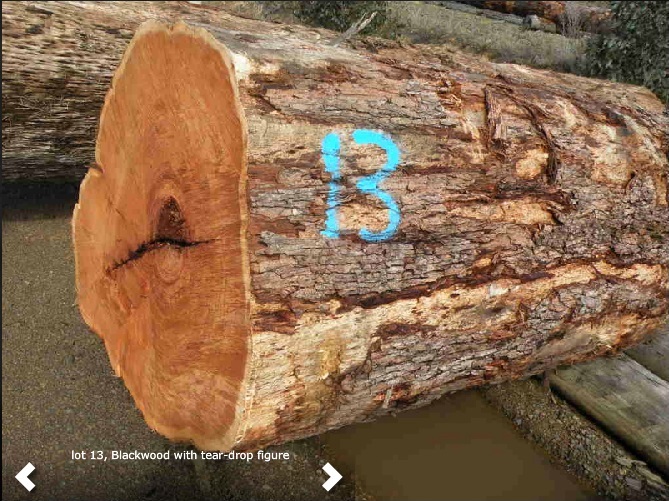
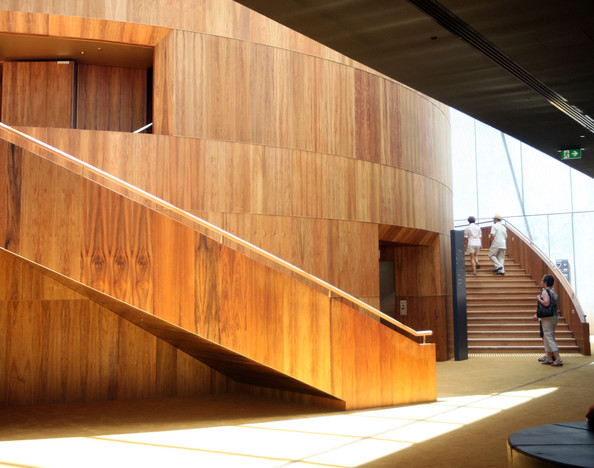
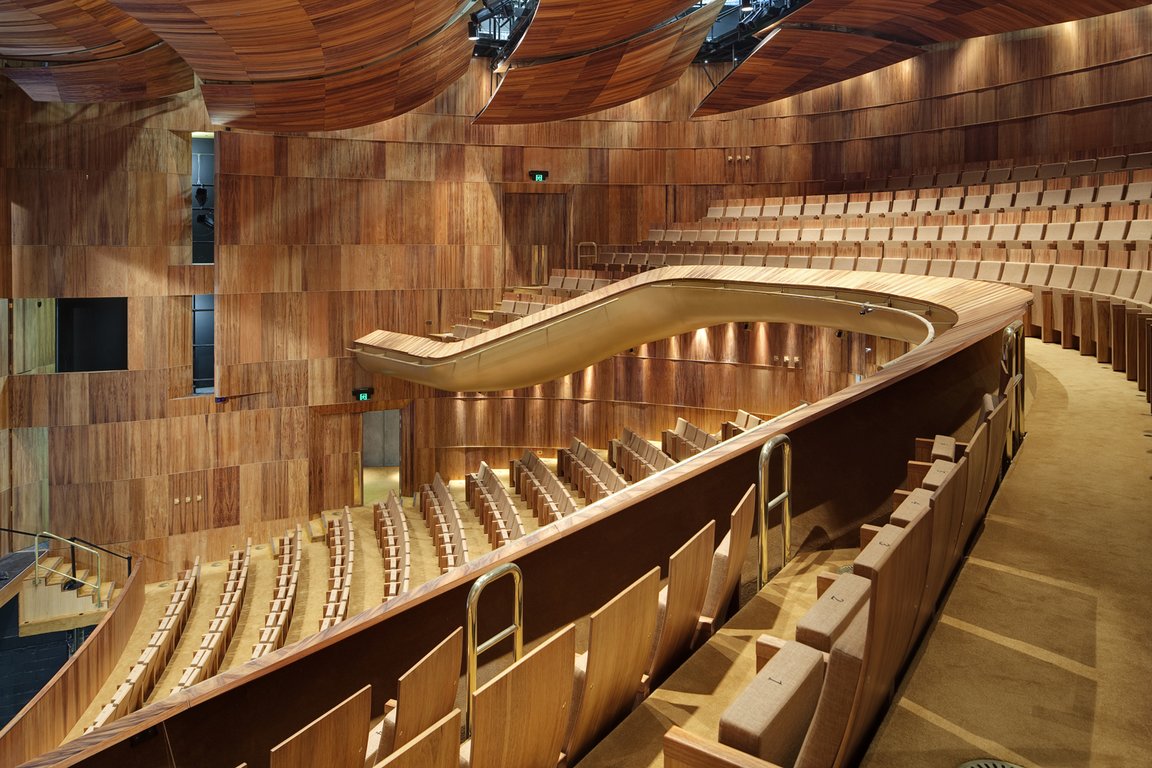


 Tasmanian Blackwood Growers Cooperative
More Stringfest Thoughts
In the review of my experiences and thoughts on the inaugural Deloraine Stringfest I said the major element missing were the proud, passionate and profitable tree-growing farmers – the first link in the chain from tree to instrument, farmer to artist. I was the only one exhibiting at Stringfest representing existing and future growers of blackwood and other special timbers.
From a business/market process point of view the Stringfest exhibitors (luthiers and tonewood merchants) were all pushing in the one direction. The luthiers were promoting and selling their instruments to players and performers, while tonewood merchants were promoting and selling their timbers to the luthiers – links in a chain. But there was little action in the opposite direction.
Why do we need action in the opposite direction? What action?
Markets work by an interplay/tension between supply and demand. The push and pull of the marketplace. If we are to encourage farmers to grow our special timbers for us then we need to provide as much incentive and information as possible. Trees are a challenging investment at the best of times so Stringfest provides an ideal forum for providing market, price and demand information in BOTH directions back to the farmer/tree grower all the way to the consumer/artist. All that passion, dedication and commitment can help drive some significant market activity.
At Stringfest the tonewood merchants should be looking to both sell their tonewood timbers to luthiers AND buy suitable trees/logs from farmers, and establish long-term relationships with tree-growing farmers. It would have been great to see some “LOGS WANTED” signs showing at Stringfest. Even some information telling people about what goes to making a good tonewood log, species, sizes, indicative prices, etc. The average farmer has absolutely no idea about the tonewood market. This needs to change and change quickly, so the more information the better.
Similarly Stringfest provides an ideal opportunity for luthiers to talk to tonewood merchants about their wood requirements and indicative prices. I saw plenty of this happening at the weekend, hopefully with some positive outcomes.
At Stringfest I spoke to a number of people who had trees they were interested in selling and I pointed them towards the tonewood merchants. I heard of a number of follow-ups being arranged which was great. At the moment the Blackwood Growers Coop remains more a dream than a reality. As the Coop develops then building relationships and markets with sawmillers and tonewood merchants will be an important goal. Hopefully in the future I will have “LOGS FOR SALE” as part of my Stringfest display.
Stringfest was not really marketed at the farming community but the farming community needs to be brought into the audience in future.
The question of the future supply of our special timbers was definitely the “elephant in the room” at Stringfest, especially given the extraordinary political events on the Friday. Stringfest provides a brilliant focus and opportunity to help resolve that question and remove the elephant once and for all. I’m already thinking about next years festival.
Cheers!
1 Comment
Posted in Commentary, Markets, Stringfest, Tonewood