
https://www.facebook.com/events/541241411535117?ref=newsfeed
The Australia Institute is hosting this event at the Hobart Town Hall 1.00 pm Tuesday 14th November.
I wish I could go, but I’ll be away then.
So here are my thoughts on how to end Public Native Welfare Forestry in Tasmania.
The Tasmanian Parliament WILL NEVER, EVER END THE FORESTRY WARS!
That fact is perfectly clear!
Therefore the end of public native forest logging in Tasmania MUST come from outside Tasmania, either from Canberra or the marketplace.
Forest protests have very limited impact on Government policy and no impact on the marketplace.
The current Federal Labor government, led by Prime Minister Anthony Albanese, has proven itself to be a conservative Liberal government in disguise. The Federal Labor government will not enter the national forestry wars!
This leaves us with only one choice – the marketplace!
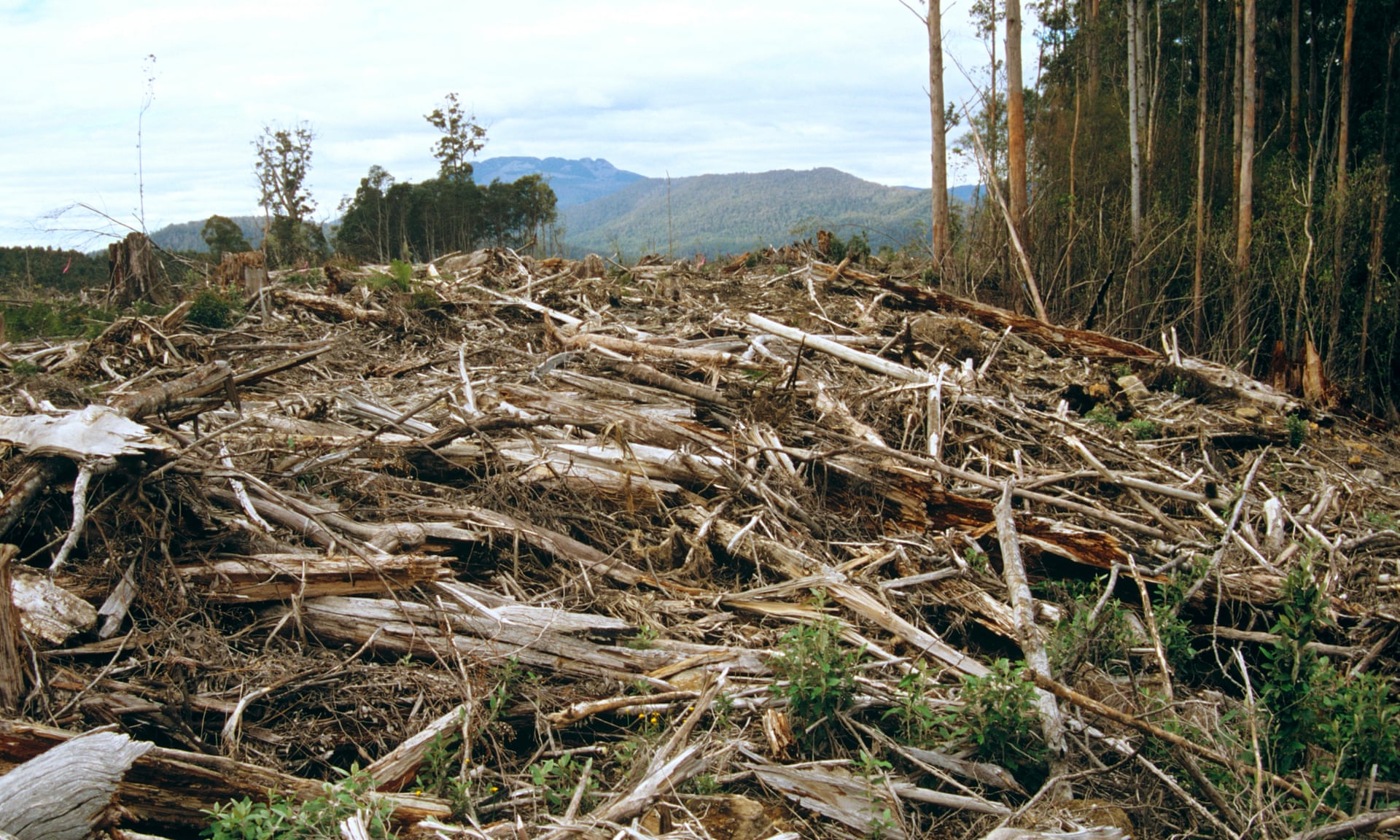
Traditionally the Australian timber marketplace has been more than happy to support the continuing plunder of our public native forests in the face of overwhelming data and community opposition. Tens of thousands of Australian businesses remain utterly mute on their most important resource.
And to date little community focus has been placed on this marketplace complacency.
I believe it is well past time for the marketplace to be held accountable for its complacency and arrogance.
Bunnings and Mitre10 are the biggest retailers of Tasmanian timber in Australia.
It is time to put significant community pressure on both of these major timber retailers.
The Australia Institute meeting in the Hobart Town Hall must pass a resolution calling upon Bunnings and Mitre10 to stop selling all Tasmanian oak products immediately.
There is no other option to end public native logging in Tasmania.


 Tasmanian Blackwood Growers Cooperative
No offence against you personally Gordon suppling Tasmanian Timbers for stringed musical instruments is the most value adding use of our minor species and it wasn’t that long back that you were also pushing this you can’t build acoustic guitars from plantion Timbers also we started replanting on a huge scale I have known Bob Brown personally since about 1982 and he loved my business and what I do to value add the problem with the timber industry is large clear falling of old growth forests for wood chips if this was stopped we would not have a problem and let’s see a huge replanting program of minor species especially Blackwood one of the best known Tonewoods fast growing also mountain ash an excellent Tonewood.
I get sick to death of the one’s that want to shut down the industry without coming up with other solutions they are all hypocritical surrounded by timber.
Bob,
Quality guitars have been made out of plantation grown blackwood.
The “other” solutions are there and well known!
The fact that the marketplace and the orthodox forest industry will not support farm forestry, whilst at the same time continuing to plunder our public forests and taxpayers is the fundamental nexus that must be broken.
The sooner welfare forestry is gone the sooner we can begin to build a REAL forest industry.
Gordon
Yes Gordon agree but farmers have to come up with a realistic price as the few that I have spoken with over the years believe that it’s gold now if they were selling good grade quarter sawn Blackwood then yes they can get a good price but what price for logs per cubic metre.?
This is all part of establishing proper functioning timber markets in Australia, including farmers having a better idea of what the timber market is doing. At the moment Australia does not have a proper functioning timber market due to subsidised politicised public native forestry.
Once public native forestry is shut down we may have a chance of doing this…..if the marketplace is willing!
Also, selling salvage wood (as most farmers are currently doing) is different to selling deliberately planted and grown wood.
And this IS the market! If growers ask too much, so be it!! No deal!
Gordon
So you’re solution is to just stop the big retailers from selling Tas Oak? And you say this even though the vast majority of their products don’t come from native forests anyway but from plantations and regrowth. How does that make sense? The Australia Institute says 25% of Tasmanian wood products come from native forests.
Bunnings even signed a letter refusing to stock any products that come from what the state government calls Future Potential Production Forests.
Bunnings have made it perfectly clear that they only want FSC certified products going forward.
Like Bob said, the biggest issue is clear felling high value forests for wood chips and pulp. The other issue is people demanding regrowth areas to be protected from future logging. This is happening all over the place, in some cases areas that have been logged multiple times over the last 100 years people want to be protected. Actions like this offer forestry no incentives to regenerate forests well.
So you’re solution is to just stop the big retailers from selling Tas Oak? And you say this even though the vast majority of their products don’t come from native forests anyway but from plantations and regrowth. How does that make sense? The Australia Institute says 25% of Tasmanian wood products come from native forests.
The vast majority of Tas oak comes from public native forests at taxpayers expense, and the corruption of Tasmania’s political system. I’m not distinguishing between regrowth and old growth. All public native forestry must be shut down, including regrowth.
Total Tasmanian wood production 2022-23 4,896,000 cubic metres/tonnes. Total STT 1,197,000 CM/T.
Sources: PFT Annual Report 2022-23, STT Annual Report 2022-23.
17% of Tasmanian grown wood comes from public native forests, and 71% of that public native forest harvest goes to woodchips.
80% of Tasmanian grown wood comes from softwood and hardwood plantations, 9% comes from public owned plantations.
Bunnings even signed a letter refusing to stock any products that come from what the state government calls Future Potential Production Forests.
The forest industry wants to now harvest these FPPF forests. Where are they going to sell the products from these forests?
Bunnings have made it perfectly clear that they only want FSC certified products going forward.
Bunnings made that commitment and then went back on their word. So much for commitment!
Like Bob said, the biggest issue is clear felling high value forests for wood chips and pulp. The other issue is people demanding regrowth areas to be protected from future logging. This is happening all over the place, in some cases areas that have been logged multiple times over the last 100 years people want to be protected. Actions like this offer forestry no incentives to regenerate forests well.
Bob may say that’s the biggest issue. I say the biggest issue is the corruption of Tasmania’s political system. Public native forestry has been a cancer on the Tasmanian body politic for generations. It is time for radical surgery!
Protecting all public native forest is the issue, including regrowth.
Gordon