I’ve recently been engaged in an email discussion with the supply chain manager of a major guitar maker that has opened my eyes to some of the wood resource and marketing issues facing the industry.
The conversation started when I enquired whether the company would be interested in buying farm-grown Tasmanian blackwood to use in their guitars. The unequivocal answer came back that to date the company has found it difficult to sell guitars made from Tasmanian blackwood and hence would be reluctant to purchase more timber.
This and a few other comments they made got me thinking.
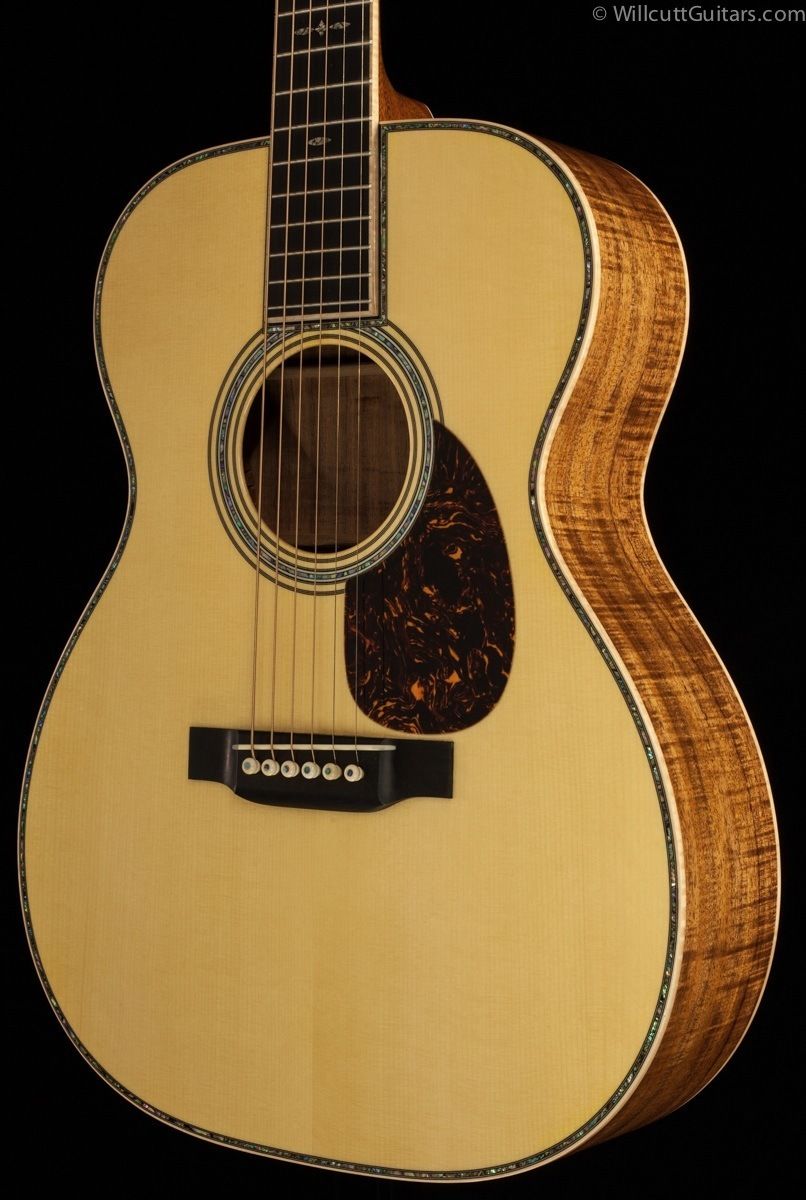
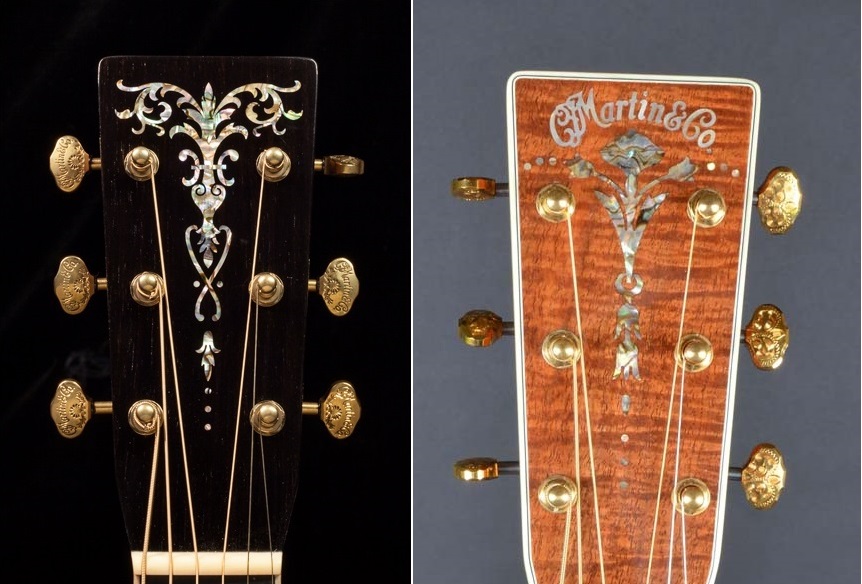
For the past 100 years and more the guitar industry has been able to access the very best cuts of wood available from around the world with which to build guitars. Rosewood, mahogany, ebony, quilted koa and maple, etc. All of these premium cuts have been accessible largely due to the plundering of the worlds old-growth and rainforest that is now coming to an end.
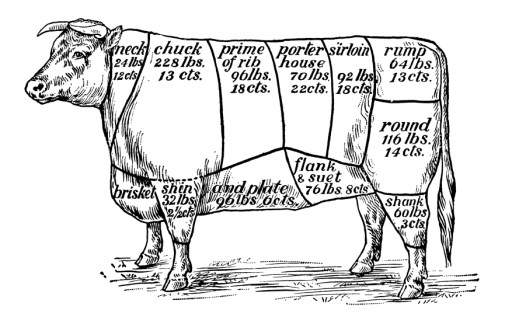
The guitar industry was like a butcher shop that only sold eye fillet steak. No mince, no sausages. Just premium quality meat. The fact that the rest of the forest products went to other markets helped the guitar industry enormously.
But the wild herds of bison, like the old growth and rainforests, have nearly all gone. Now the butcher shop has to start stocking rump steak, as well as the mince and sausages in order to stay in business, but after 100+ years the customers are finding it hard adjust to this change in diet.
So too the guitar makers are finding it difficult to identify and source sausages and mince that customers might want to buy. Many guitar makers appear to still be peddling nothing but premium cuts.
The words “alternative woods”, “sustainable” and “certified” are slowly becoming part of the daily life for guitar makers, and less so for consumers.
But the butcher shop analogy does have its limitations.
Many of these alternative woods are perfectly good for making quality guitars. In no way do they reflect a move to mince or sausage grade timber, but they do reflect the changes being forced upon guitar makers and reluctant consumers by a changing wood resource. But to the ordinary guitar buyer it feels like an eye fillet vs sausages decision.
What’s worse, the eye fillet, mince and sausages are often all priced the same. So given the choice the consumer is reluctant to try the alternative woods. I think this has been one of the problems with introducing Tasmanian blackwood onto the international tonewood market. Customers often need some incentives to try a new product.
And it’s not just new species of timber that is challenging guitar makers and buyers.
In some cases the eye fillet steak has simply been wood that is highly figured like maple and koa, with plain, straight-grain maple and koa having never featured in the guitar market to any extent. So the above major guitar maker has excess quantities of straight-grain koa and maple wood that they cannot sell to the guitar-buying public. Beautiful timber and great for making quality guitars but it’s just not eye fillet steak!
This is curious because straight grain rosewood and mahogany are perfectly acceptable to the guitar buying public. Years of being fed eye fillet steak has clearly made the market resistant to change.
Now from a forester and commercial blackwood grower’s view point all of this is a bit of a disaster.
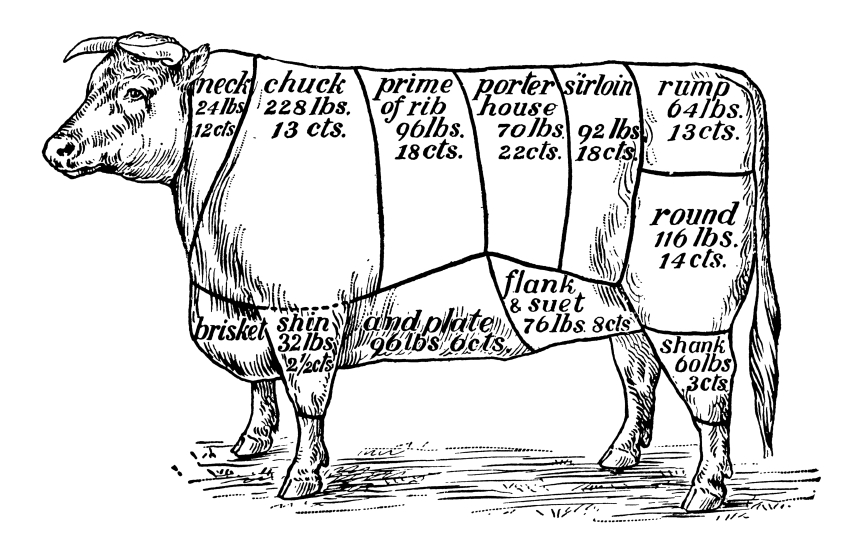
Going back to the butcher shop again, a cattle farmer would quickly go out of business if they could only sell eye fillet steak. To be viable the farmer has to sell the whole animal with the various cuts of meat priced according to the supply and the demand. Basic economics 101.
Ditto for tree growers. Highly figured wood is rare. Straight-grain wood is more common. But the guitar market doesn’t reflect this supply situation, either in price or in marketing.
If guitar makers want to help tree growers, then they need to adjust their product development, marketing and sales to better reflect the supply situation regarding plain vs feature grain timber. Plain grain koa, maple and Tasmanian blackwood are great quality tonewoods just like plain grain mahogany and rosewood. Feature grain wood of any species should attract a premium price that is clearly over and above plain grain guitars.
Some guitar makers are better at product design than others. Putting a clear finish on a plain grain guitar especially if the wood is new or alternative may not meet with much buyer enthusiasm. Staining, edge-shading, a bit of bling, and a price to encourage buyer interest will go a long way to help overcome the conservative guitar buyer.
But for the moment it seems that this major guitar maker won’t be encouraging Tasmanian farmers into the commercial blackwood tonewood market anytime soon.
Comments and ideas?







 Tasmanian Blackwood Growers Cooperative
Gagged!
Isn’t this just so predictable and pathetic?
Just when we start to get some real debate and transparency into the Tasmanian forestry wars along comes the Honourable Minister and slams the door.
It was so newsworthy that it made both the major State news media.
http://www.abc.net.au/news/2015-06-19/forests-minister-tells-advisory-council-to-keep-opinions-private/6559572?section=tas
and
http://www.themercury.com.au/news/politics/resources-minister-paul-harriss-puts-clamp-on-forestry-tasmania-talk/story-fnpp9w4j-1227406689089
What is the purpose of an advisory council if “everyone is on the same page”? That’s not an advisory council. That’s a political smokescreen, a whitewash!
The whole purpose of an advisory council, as Sue Smith said, is to promote and foster vigorous, open discussion and canvas as wide a range of opinions and options as possible.
The Tasmanian forest industry is going absolutely nowhere until the future of Forestry Tasmania is resolved. And after 21 years we know that the GBE business model has been a total failure. Forestry Tasmania remains the “albatross around the neck” of the forest industry.
So vigorous and open debate about this issue is absolutely fundamental.
And yesterday the State government shut that debate down.
Judging by the response in the media the Tasmanian community is absolutely sick and tired of the continuing political games and squandering of taxpayers money on the forest industry. But the advisory council and our politicians just aren’t listening.
The issue of retaining skills is yet another forest industry furphy. The one and only skill that Forestry Tasmania needs right now is to be fully commercial and profitable. Without this fundamental skill everything else is completely irrelevant.
The advisory council is now a lame duck with no integrity, credibility or purpose. Send the bill to the Tasmanian taxpayer.
When will Tasmania get a fully commercial profitable forest industry?
1 Comment
Posted in Commentary, Forestry Tasmania, Politics
Tagged Forest Industry Advisory Council, Paul Harriss