

I recently became aware of this great research project that is happening in Europe in response to the deforestation and the rapidly diminishing supply of traditional quality tonewoods from the world’s tropical rainforests.
http://www.leonardo-guitar-research.com/
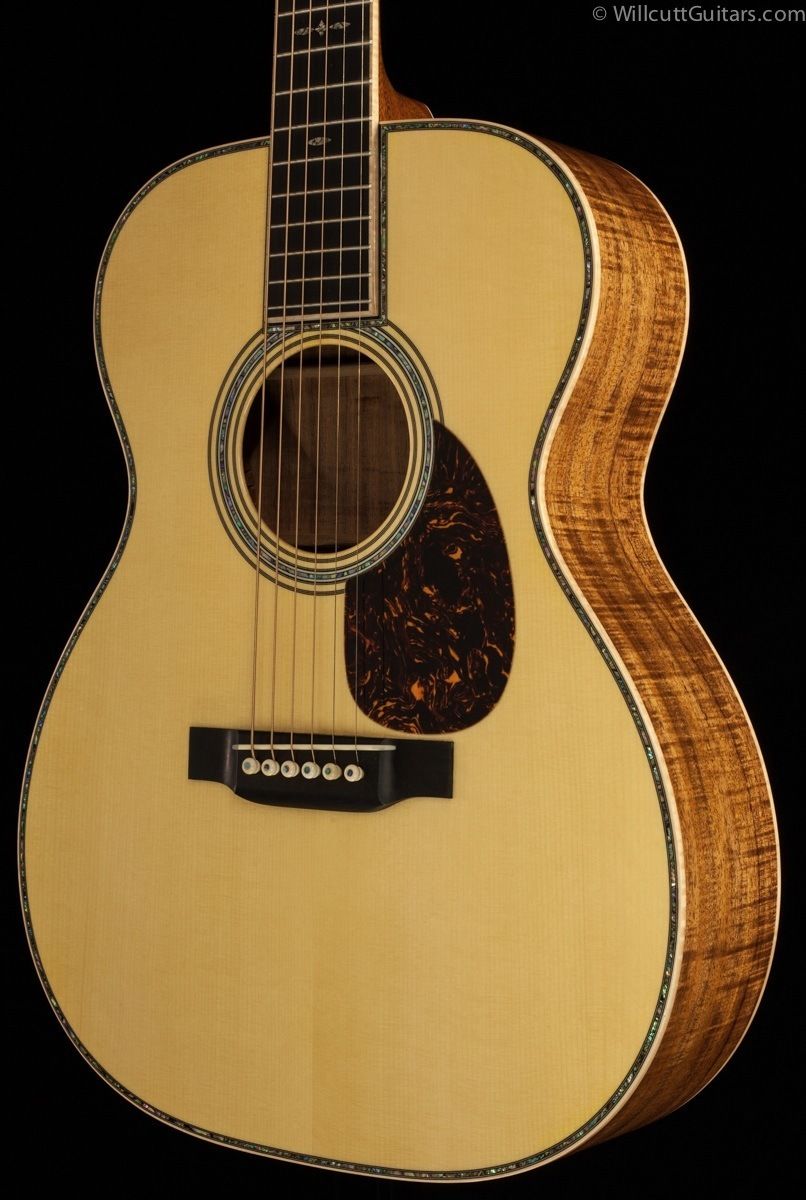
This project should benefit Tasmanian blackwood growers as the global momentum to find/develop sustainable and profitable quality tonewood supplies increases.
Goal
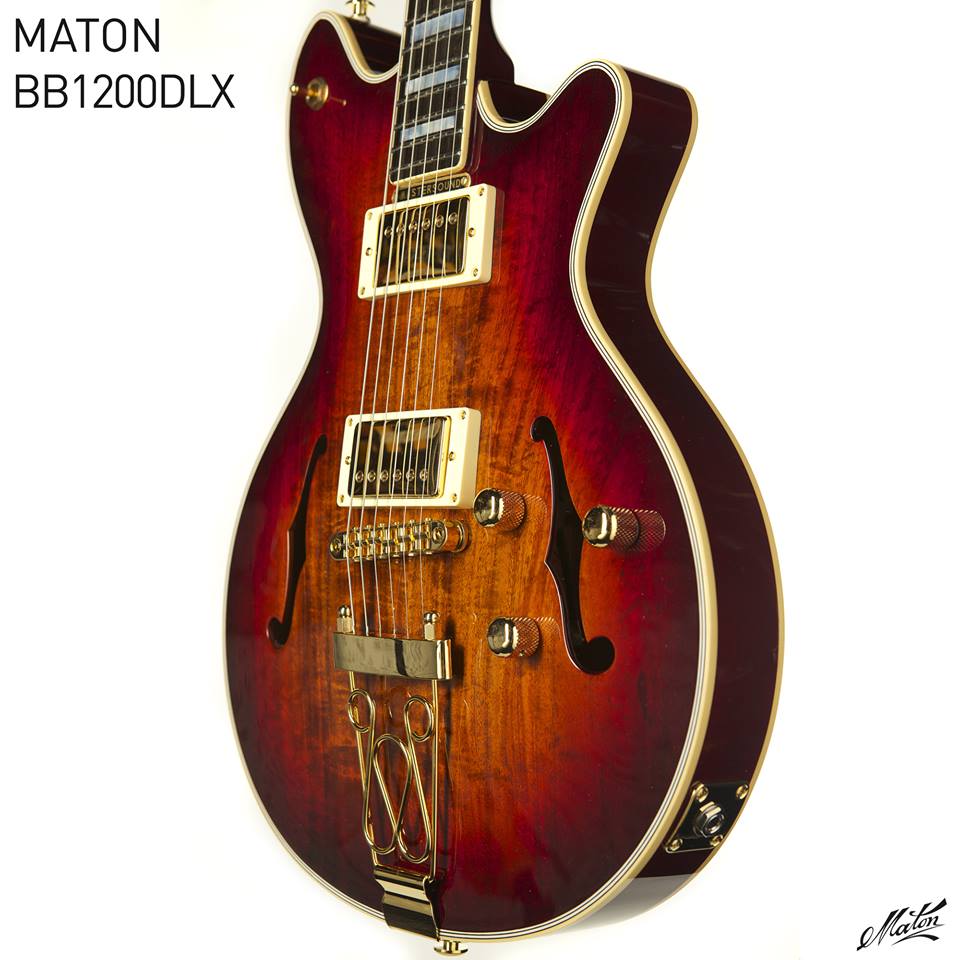
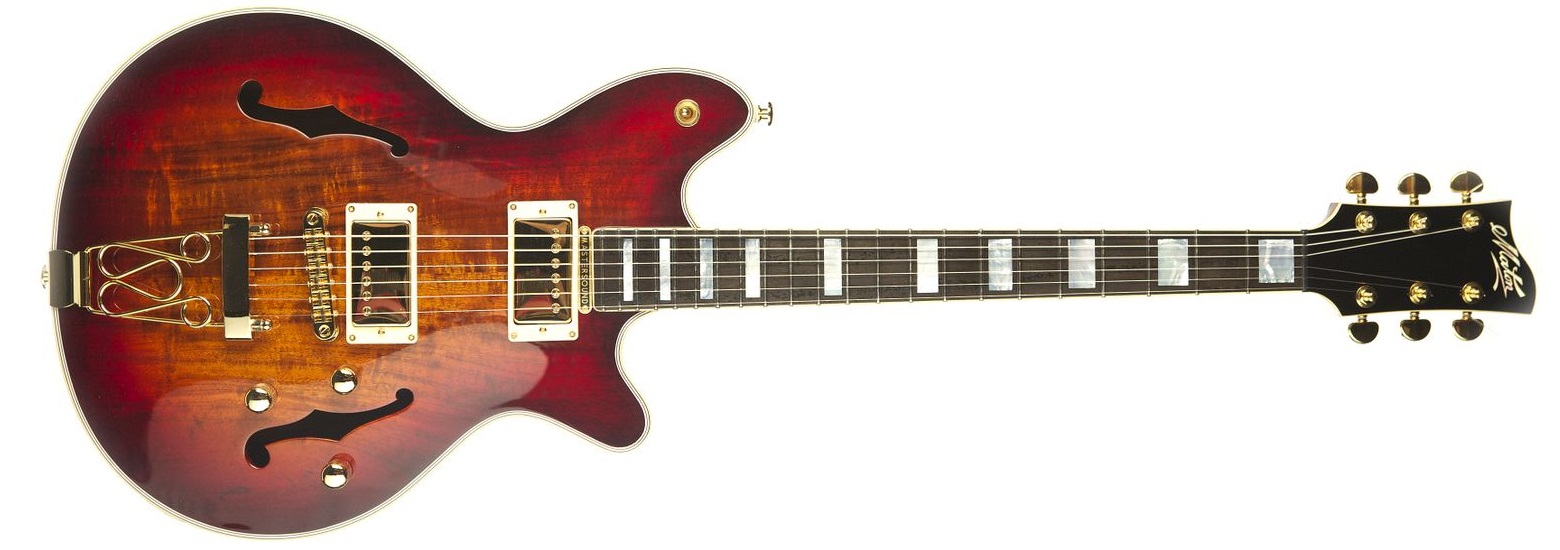
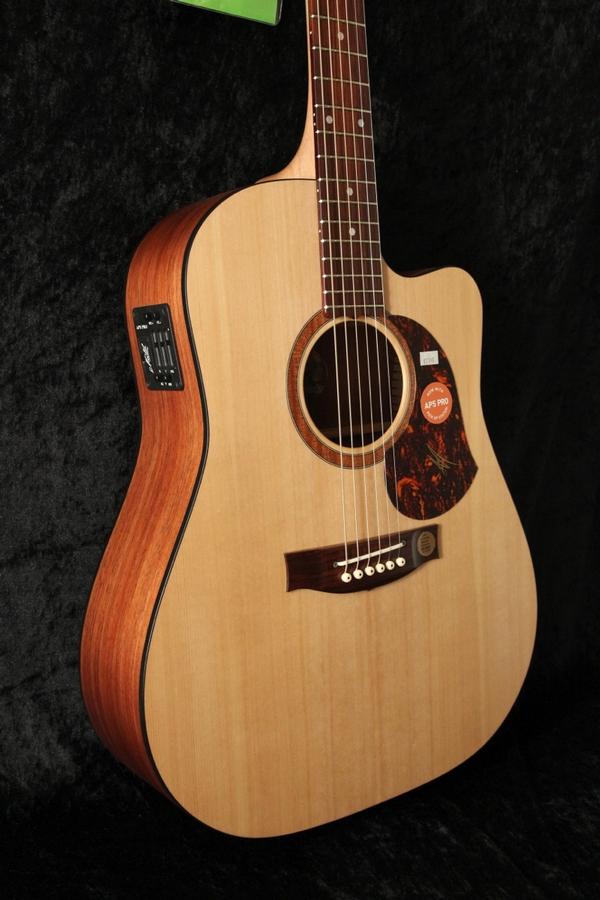
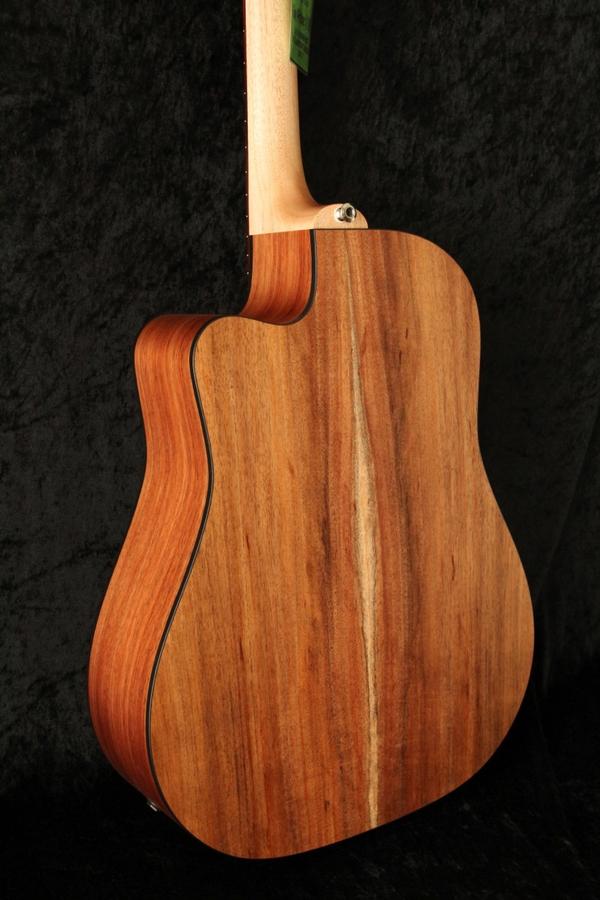
The main goal of the Leonardo Guitar Research Project is to study, demonstrate and communicate the possibilities of building acoustic and classical guitars from non-tropical woods. We want to improve global expertise in the craft and adapt it to economic and ecological needs.
The first results from their research were recently published.
Results
All blind tests show that guitars made from non-tropical wood species were equally preferred for sound quality as those made from tropical wood. Non-blind tests show a strong fallback in sound appreciation experienced by non tropical wood guitars.
Conclusions
The need for the use of tropical wood in acoustic and classical guitar building seems to be a myth because blind tests have clearly proven that non-tropical woods can be used to make guitars whose tonal quality is fully equal to that of their tropical counterparts.
The fallback in sound appreciation experienced by non-tropical wood guitars in the non-blind tests, strongly suggests that preference is heavily influenced by preconceptions about what guitars should look like and about what exactly constitutes a tonewood.
All of which is great news. We don’t need to buy rosewood, mahogany or cocobolo guitars thinking that they make the best sounding guitars.
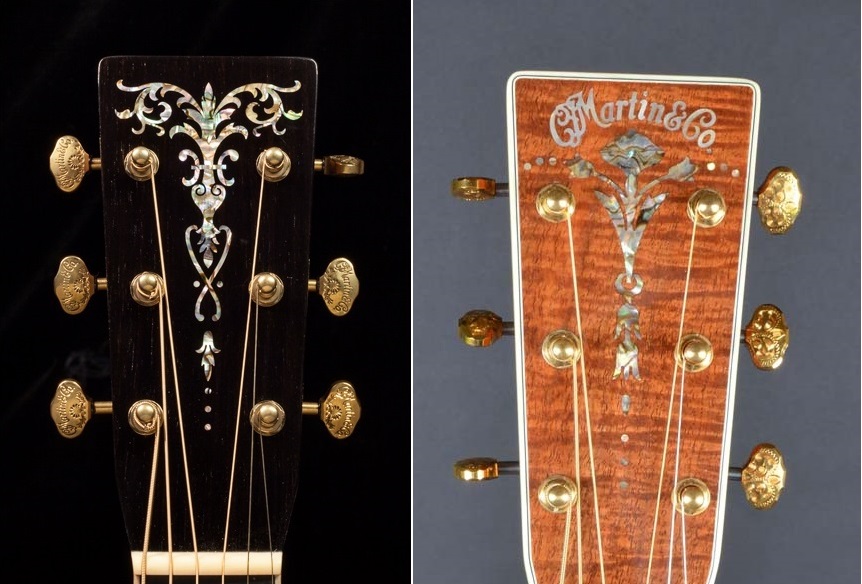
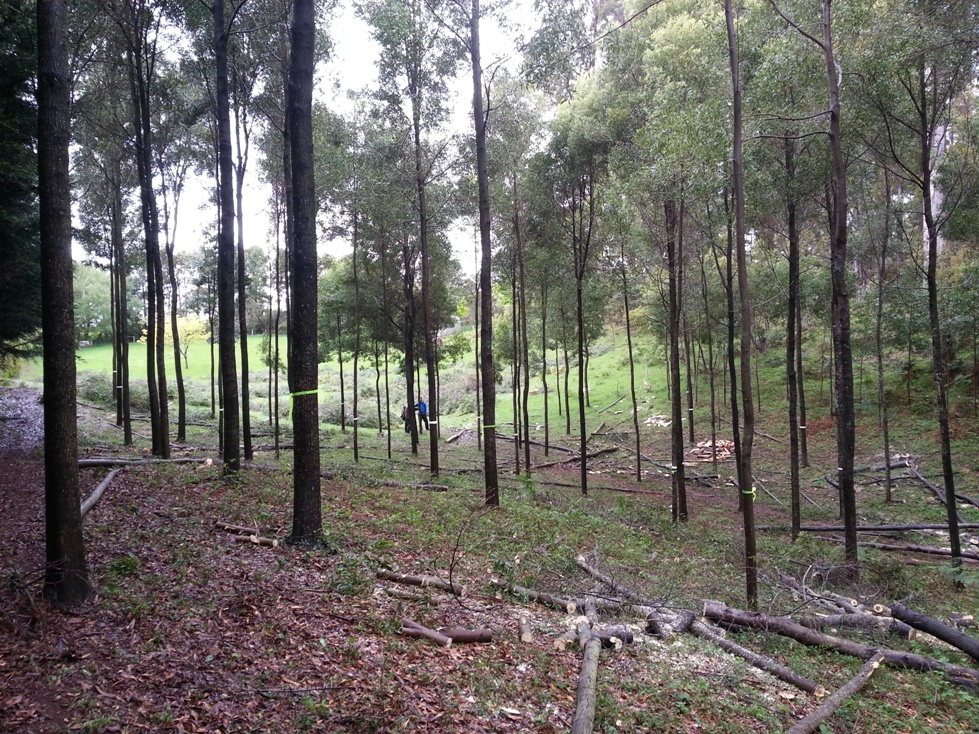
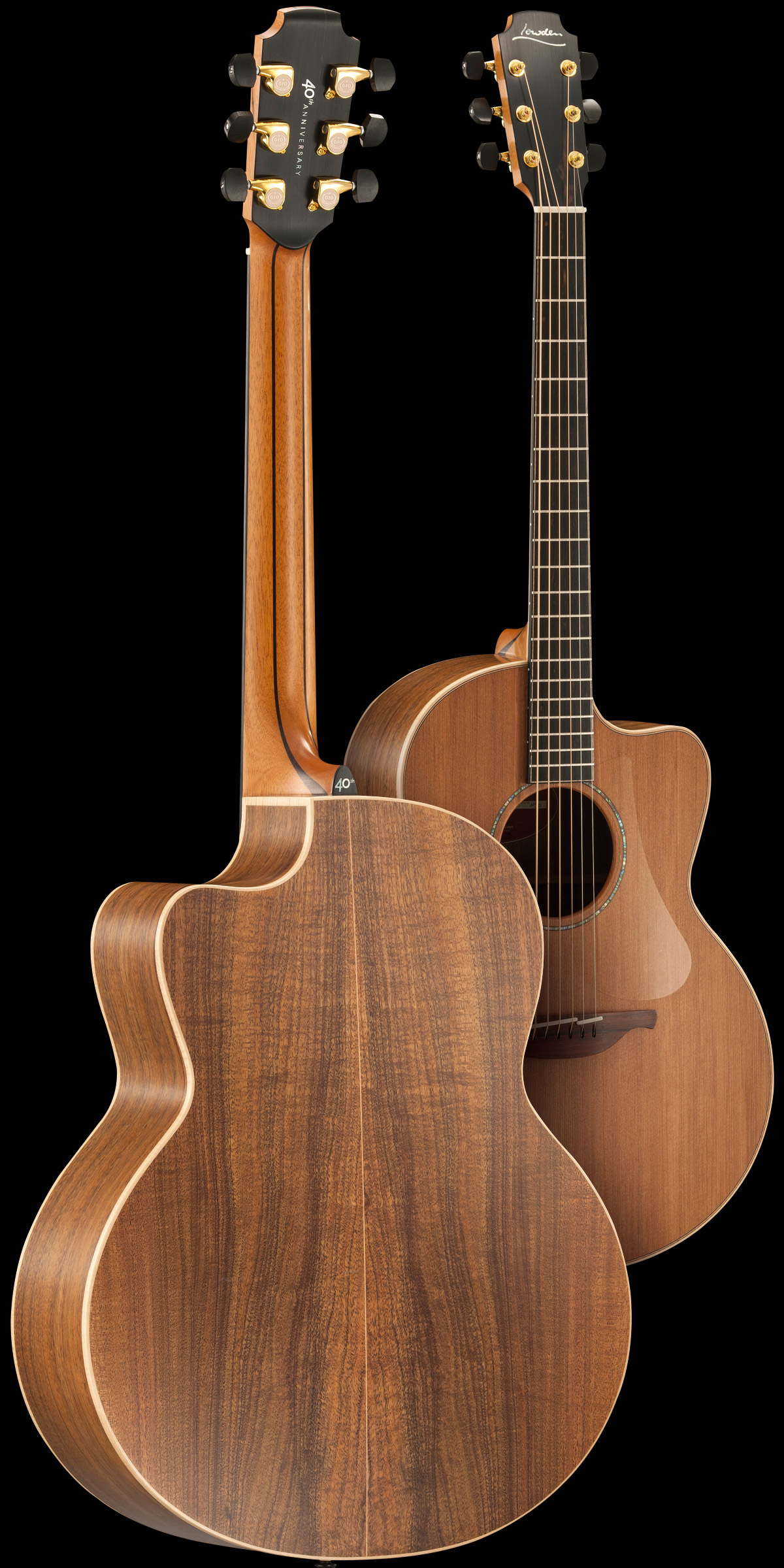
But we do already know that Tasmanian blackwood is an internationally recognised quality, sustainable, profitable non-tropical tonewood. We are just waiting for the market to come to Tasmania!
Having shown that these alternative non-tropical woods can make great guitars the next steps in this project should be:
- Make the guitars more visually appealing to make the consumer choice easier;
- Determine which woods are available in sustainable, commercial quantities. FSC certified sources would be even better. Surely the aim is to get the large manufacturers to start using these timbers;
- Marketing! I would imagine a range of 100% FSC Certified, non-tropical guitars on display at NAMM and Musikmesse would attract significant attention.
- Investigate sustainable non-tropical woods from other regions such as Tasmanian blackwood!!!
One of the objectives of the LGRP is to develop a network/database linking customers with luthiers, with growers and suppliers of sustainable, non-tropical tonewoods. While the current focus of the project is on common European woods there is every opportunity to expand this to other temperate zones.
Watch this space!



 Tasmanian Blackwood Growers Cooperative
Deloraine Stringfest & World Heritage Area logging
This was going to happen sooner or later. But the Deloraine Stringfest is now becoming associated with Tasmanian State Government forest policy and the logging of the Tasmanian Wilderness World Heritage Area (TWWHA). This is courtesy of the Premier Will Hodgman and his press release associated with the recent launch of the 2015 Stringfest.
http://www.premier.tas.gov.au/releases/stringfest_showcases_tasmanian_timbers
We want to ensure craftsmen like Daniel can continue to create instruments from Tasmanian timbers, which is why we are committed to rebuilding the forest industry.
As many people know, State forest policy now includes the planned logging of special timbers including Tasmanian tonewoods from the TWWHA. See my recent blog:
http://blackwoodgrowers.com.au/2015/02/10/draft-twwha-management-plan-representation/
and
http://www.abc.net.au/news/2015-01-15/world-heritage-areas-to-be-opened-up-to-tourism-projects-under-/6018508
Daniel Brauchli certainly doesn’t support current Government forest policy, but the Premier seems happy to risk damaging the reputations of our craftpersons and artists.
The proposed logging of the TWWHA will become yet another divisive and destructive episode in the long running Tasmanian forestry wars.
Last year at Stringfest 2014 the elephant in the room was the ongoing supply of tonewoods to sustain the festival. That elephant was a mere calf.
This year the elephant has grown considerably into a cow elephant. The prospect of the Festival becoming associated with the logging of tonewoods from the TWWHA will see the elephant become a rampaging bull. It will destroy the Festival.
The Deloraine Stringfest depends on attracting major performing artists. Once the Festival becomes associated with TWWHA tonewoods, no major (and many minor) artists will want to be associated with the Festival.
End of Festival!
By all means please come along and enjoy the 2015 Deloraine Festival, but spot the elephant hiding in the room, or wandering the streets of Deloraine with deliberate intent.
It may even be hiding behind me. Come and look!
The Deloraine Stringfest is a fantastic festival, but given the highly politicised and conflict-driven nature of forestry in Tasmania, the future of Stringfest hangs in the balance.
Stringfest has now become a political weapon. The reputations of those associated with the Festival are now at risk.
Say “No” to World Heritage tonewoods!
[Come along and talk to me about conflict-free, farm-grown Tasmanian blackwood.]
2 Comments
Posted in Commentary, Politics, Stringfest, Tonewood
Tagged Daniel Brauchli, Tasmanian Wilderness World Heritage Area, TWWHA, Will Hodgman, World Heritage Area logging