Category Archives: Tonewood

Cort Frank Gambale Signature Model

CortGambale

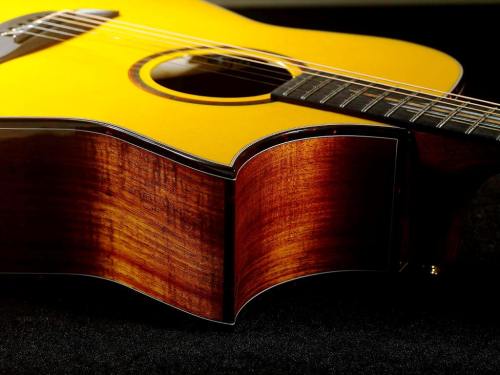
Australian jazz guitarist Frank Gambale has teamed up with Cort Guitars to produce the world’s first artist signature model acoustic guitar featuring Australian blackwood.

Unveiled at the Winter NAMM Show in January 2016 the Frank Gambale Signature Model is a concert body shaped acoustic guitar. This model features a solid Adirondack spruce top, a flamed blackwood back and sides, a mahogany neck, an ebony fingerboard featuring a custom inlay, an ebony bridge, gold tuners, and a 43mm nut. Each Frank Gambale Signature Model is equipped with LR Baggs EAS-VTC EQ onboard electronics.

Developed in conjunction with legendary guitarist Frank Gambale, this is a true signature model in that the artist had a great deal of input on each detail of the guitar. Ideal for high-speed soloing, this innovative acoustic-electric guitar also features custom wooden rosette and custom fingerboard inlay designed by Frank Gambale himself. This is a truly unique acoustic guitar as envisioned by a true guitar legend.

Frank Gambale has spent nearly four decades playing, writing, recording, performing, and teaching. His sweep-picking technique revolutionized guitar playing and continues to inspire generations of musicians in all genres.

Here’s a video review:

The Cort distributor in Australia has advised “it will be a little while before we can get our hands on it here in Australia”. I’ll keep readers informed.

www.cortguitars.com

www.frankgambale.com

Cort Guitars has been steadily increasing its use of Australian blackwood on a range of models including acoustic guitars and basses, and ukuleles. This signature model guitar throws Australian blackwood well and truly onto centre stage.

New Taylor 300 Series solid Tasmanian blackwood

300s-blog-post-658x390

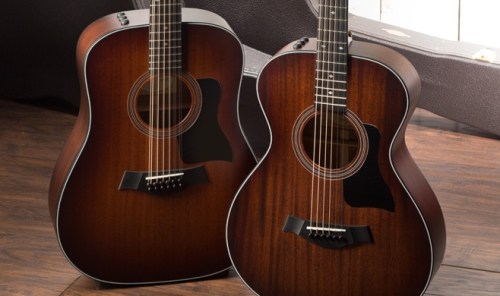
After years of waiting Taylor Guitars have finally included Tasmanian blackwood into their standard line of guitars!!

This is the first time a major international guitar manufacturer has incorporated Tasmanian blackwood into its standard production.

This is farm-grown Tasmanian blackwood.

HOORAY FOR TASMANIA!!

Taylor Guitars master guitar designer Andy Powers explains why the refinements applied to the new Taylor 300 Series make the guitars the most dynamically responsive, expressive instruments the series has ever offered. He also talks about the addition of Tasmanian blackwood to the series…

…. and why it’s one of his all-time favorite tonewoods, from its warmth and dynamic range to its sustainable sourcing outlook.

You can’t ask for a better recommendation than that now can you?

Nonetheless, blackwood has been attracting an ever-growing following among guitar makers and players. The supply is also sustainable, with a healthy sourcing outlook for the future.

Ok that’s enough! You can stop now!!

The 300 series are Taylor’s lowest price solid wood guitars.

How do you introduce a relatively new unknown tonewood into the American market?

You bring it out at a low price so the market is better able to experience the magic of Tasmanian blackwood.

https://www.taylorguitars.com/blog/guitars-more/300-series-updates-blackwood-12-string-dreads-12-frets-and-more

https://www.taylorguitars.com/guitars/acoustic/browse?series=105

My only request to Andy Powers!

Please also include Tasmanian blackwood as a top wood option in the 300 series!!!

Please let us have a Taylor 300 that speaks 100% Tasmanian blackwood.

Now we want guitar buyers to stampede these new Tasmanian blackwood models from Taylor guitars.

Tasmanian blackwood – the profitable, sustainable quality tonewood.


Deloraine Stringfest Update

Stringfest Logo

The Deloraine Stringfest Facebook page Wednesday announced there would be no festival this year.

We are currently reviewing our options and dates for 2017.

That’s a shame.

http://blackwoodgrowers.com.au/category/stringfest/

Looking back at my comments on last year’s festival I still think those comments remain relevant.

Developing a broader audience from the non-musical side of the festival, so that the festival lives up to its objectives (and avoids becoming yet another music festival) is essential – but problematic!

Given the highly contentious and politicised nature of anything forestry related in Tasmania, putting more of the Festival focus on timber, timber growing and timber craftsmanship becomes difficult.

Where does the wood come from? Public native forest, World Heritage Area, lake salvage, farm salvage, commercial private grower??

Is the wood certified? Is it sustainable? Is it profitable?

All of this immediately generates tension and conflict because so many people have such a wide diversity of opinions and expectations.

How can the Festival navigate this social, political and economic minefield and survive?

But for the Festival to live up to its objectives that is exactly what it must do:

The Aims of Deloraine StringFest Tasmania are:

  • To present a festival of stringed instruments, showcasing Tasmanian luthiers, Tasmanian tone-woods and instruments;
  • To recognise Tasmanian instrumentalists and provide a social gathering for musicians, both professional and amateur;
  • To highlight the craft of luthiers and the pre-eminence of Tasmanian timbers used world-wide to create quality crafted stringed instruments; and
  • To provide ongoing recognition of Deloraine as a centre for craft and arts excellence.


The Festival must lead to the future and not be bound by the forest policies, practices and conflicts of the past.

A part of that future is profitable, sustainable farm-grown Tasmanian blackwood.

Ooops! Not such a success

Taylor-2014FLE

For the past few years Taylor Guitars have been heavily promoting Tasmanian blackwood as the great new sustainable tonewood.

But it seems the promotion plan has come off the rails.

This commentary is speculative but from what I know it fits the available evidence.

After the big release by Taylor of the 2014 Fall Limited Edition (FLE) models things appear to have come unstuck.

https://www.taylorguitars.com/guitars/limited-editions/fall-2014

http://blackwoodgrowers.com.au/2014/08/02/taylor-guitars-put-tasmanian-tonewoods-on-display/

http://blackwoodgrowers.com.au/2014/10/05/island-roots/

The Taylor 2014 FLE models put Tasmanian blackwood up against some serious competition in the way of Hawaiian koa and Tasmanian black heart sassafras, and without too much surprise, the competition appears to have won this race at least.

Sales of the koa and sassafras models were apparently so good that the all koa GS mini is now part of the standard GS mini range. Taylor then came back to Tasmania for a second order of sassafras timber which has now been included in the 2015 Summer Limited Edition (SLE) models.

https://www.taylorguitars.com/news/2015/07/06/taylor-guitars-debuts-stunning-quilted-sapele-curly-mahogany-and-blackheart

https://www.taylorguitars.com/guitars/acoustic/714ce-s-ltd

https://www.youtube.com/watch?feature=player_detailpage&v=zZyNsP-_hVU#t=235

No such joy for Tasmanian blackwood however. Clearly the 2014 FLE blackwood models failed to ignite the market.

Without too much hindsight this result isn’t a surprise.

The fact that the Winter 2015 Wood & Steel magazine from Taylor had a major focus on future tonewood supply but made no mention of Tasmanian blackwood, reinforces the likelihood that Taylor have shifted the focus away from blackwood.

https://www.taylorguitars.com/sites/default/files/Wood-Steel_Winter-2015_EN.pdf

Don’t get me wrong. I think Taylor Guitars are a great company and they make fantastic guitars. But everyone makes mistakes. I’m no marketing expert but here’s why I think the Tasmanian blackwood models failed to fire the market:

Too much serious competition

Of the four styles on offer for the 2014 FLE models, the blackwood models were by far the plainest and least visually appealing. Two of the models featured koa which is a well established quality tonewood in the American market. The Tasmanian blackheart sassafras, whilst new to the international commercial guitar market, was just so visually stunning and unique. Without any tonal heritage sassafras stole the show like a supermodel on the catwalk. Do I guess the premium acoustic guitar market is dominated by men? But who can blame them for being visual slaves. Of course not everyone wants a visually stunning guitar. Some people prefer the plain and unadorned. But that’s definitely not the dominant market.

Taylor sassafras 2014LTD

Product development and design.

Even ignoring the competition the blackwood design in the 2014 FLE lineup was just ordinary especially by Taylor’s very high standards. Taylors have a very strong sense of the aesthetic. So what happened?

If Taylor uses the limited editions to test new products in the marketplace then the 2014 FLE models merely reinforced existing market preferences for the rare, the visually stunning, and the familiar. In terms of pushing Tasmanian blackwood into the international tonewood market it failed.

So how do you introduce Tasmanian blackwood to the international tonewood market?

How do you introduce a plain grain premium tonewood to a market addicted to feature grain and visual appeal?

Here are some ideas:

  • Don’t introduce the product in competition with other products that already have an obvious market advantage;
  • a clear price differential is needed between plain and feature grain to reflect the fact that feature grain tonewood is a rare commodity;
  • if market resistance to new product is expected/encountered then perhaps introduce the product at a lower price bracket. If the product is good it will quickly move up into the premium market;
  • if introducing a new “plain” product into a premium market then extra effort is needed in product design, development and marketing.

Tasmanian blackwood has the potential to become an internationally recognised profitable, sustainable, premium tonewood but the road ahead remains uncertain.

I hope one day Taylor Guitars come back to Tasmanian blackwood.

Award winning Tasmanian blackwood double bass

BresqueBass

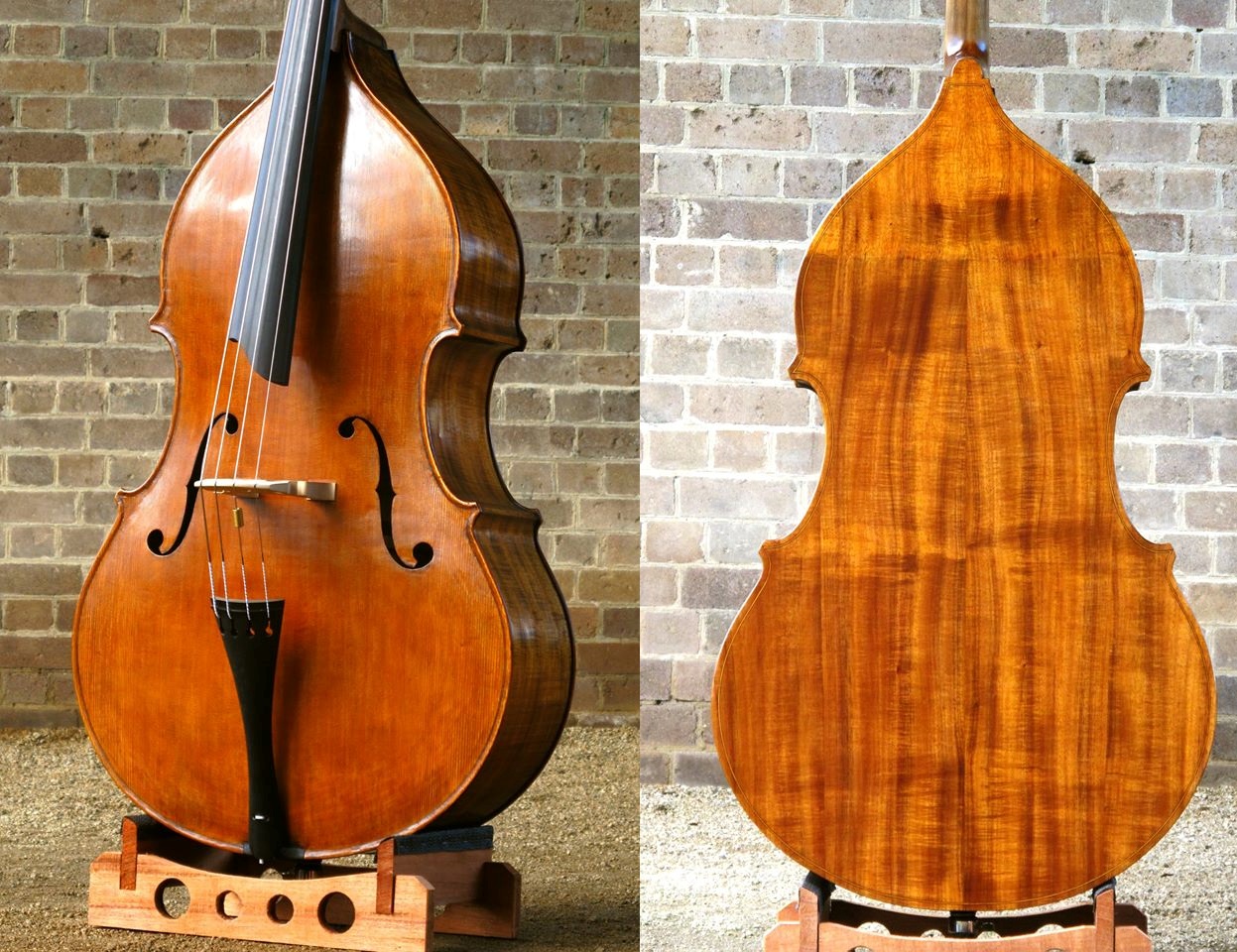
Sydney-based double bass luthier Matthew Tucker has recently won the Silver Medal for Tone at the 2015 International Society of Bassists (you didn’t know such a group existed did you??) Convention in Fort Collins, Colorado.

http://bresque.studio205.net.au/

http://www.isbworldoffice.com/convention.asp

As the website says double bass judging consists of two quite different but very important factors: workmanship and tone. Certificates and Silver Medals are awarded in each class.

For an instrument to receive the coveted Gold Medal, it must have been recommended by all judges for a Silver Medal in both the workmanship and tone categories. In the history of the ISB Makers Competition there have been only four Gold Medals awarded.

So a silver medal in Tone is a huge vote of support for Matthew Tucker and for Tasmanian blackwood as a quality bass tonewood.

I took the bass over in June and entered it into the international makers competition, in a field of 25 makers. The Silver Medal is the highest award given in that category.


Here’s what the Judges said:


“Very easy to play. Lovely upper register G string, with a refined sound, excellent projection and good balance overall across the strings … the solo quality is striking. Although delicate, the sound has wonderful bottom to reinforce it.” – John Clayton


“Beautiful, clear and compelling tone, good consistent dynamic range and seamless response. Truly exceptional ergonomics … too easy to play! A fantastic, versatile bass” – Or Baraket


“This is a wonderful, easy to play travel bass especially for solo, jazz and chamber group.” – Nick Scales

 The bass is now on sale and can be played at AES Fine Instruments in New York.

Congratulations Matthew! Fantastic result.

Some more pics of this beautiful instrument:

Sunday morning eye candy

Here are some beautiful photos of a top-of-the-range Maton acoustic guitar from the Guitar Factory in Parramatta, Sydney, featuring some stunning fiddleback blackwood.

http://www.guitarfactory.com.au/CatalogueRetrieve.aspx?ProductID=9576579&A=SearchResult&SearchID=8509977&ObjectID=9576579&ObjectType=27

http://maton.com.au/product/w.a.-may-custom

Designed as a tribute to our founder, Bill May and to bring the best of our heritage and our guitar making skills together, the W.A May is a guitar for the connoisseur.

Victorian Blackwood (in our opinion the best tone wood available) back and sides combine with blackwood neck and AAA spruce face to produce a huge sounding dreadnought guitar. Add to that our unique Custom Shop voicing and craftsmanship, you have a guitar worthy of the name W.A May

That it features Victorian blackwood is fine by me.

It’s almost too good to play!

Enjoy!

Cole Clark ‘Australian Eco’ series

Some good news for a change from the usual political/forest industry dramas.

Cole Clark FL2EC-BLBL-AE

Melbourne-based Cole Clark guitars have just announced their all-Australian Eco series.

These new models feature 100% sustainable timbers by replacing endangered timbers with sustainable Australian substitutes“.

Farm-grown Tasmanian blackwood features prominently in the series.

For those wanting to avoid rainforest timbers these are a great alternative.

The idea of an all-Australian commercial guitar has finally become reality.

Now the next step is to get farmers to actually start to plant and manage these timbers. I suspect most of these timbers are salvage logged rather than the result of active management.

But one step at a time.

Congratulations Cole Clark!


Taylor Custom GA 12-fret Blackwood / Red Cedar

There hasn’t been much in the way of new guitars featuring Tasmanian blackwood lately, but here is a one-off custom from Taylor Guitars via The Acoustic Letter.

A lovely little guitar, very nicely presented by the people at Taylor for a straight-grained (as distinct from feature-grained) blackwood guitar; and a great review from Tony Polecastro (& his amazing fly-catching pooch).

This one-off custom guitar is only available at The Acoustic Letter.

http://acousticletter.com/shop/taylor-custom-ga-12-fret-blackwood-red-cedar/

Happy viewing!

Eye fillet, sausages and guitars

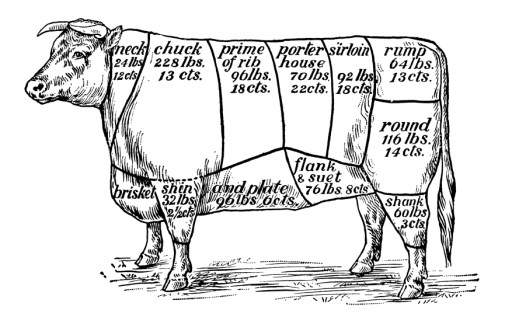
cow

I’ve recently been engaged in an email discussion with the supply chain manager of a major guitar maker that has opened my eyes to some of the wood resource and marketing issues facing the industry.

The conversation started when I enquired whether the company would be interested in buying farm-grown Tasmanian blackwood to use in their guitars. The unequivocal answer came back that to date the company has found it difficult to sell guitars made from Tasmanian blackwood and hence would be reluctant to purchase more timber.

This and a few other comments they made got me thinking.

For the past 100 years and more the guitar industry has been able to access the very best cuts of wood available from around the world with which to build guitars. Rosewood, mahogany, ebony, quilted koa and maple, etc. All of these premium cuts have been accessible largely due to the plundering of the worlds old-growth and rainforest that is now coming to an end.

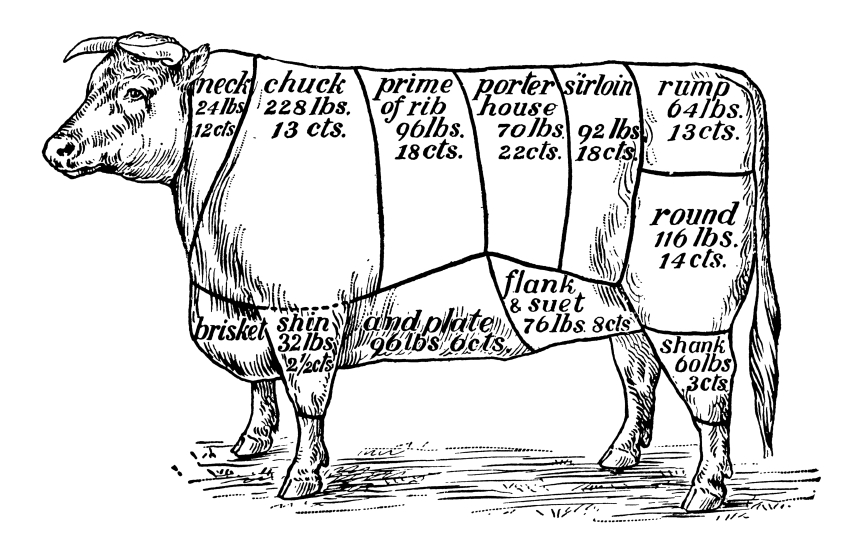
The guitar industry was like a butcher shop that only sold eye fillet steak. No mince, no sausages. Just premium quality meat. The fact that the rest of the forest products went to other markets helped the guitar industry enormously.

But the wild herds of bison, like the old growth and rainforests, have nearly all gone. Now the butcher shop has to start stocking rump steak, as well as the mince and sausages in order to stay in business, but after 100+ years the customers are finding it hard adjust to this change in diet.

So too the guitar makers are finding it difficult to identify and source sausages and mince that customers might want to buy. Many guitar makers appear to still be peddling nothing but premium cuts.

The words “alternative woods”, “sustainable” and “certified” are slowly becoming part of the daily life for guitar makers, and less so for consumers.

But the butcher shop analogy does have its limitations.

Many of these alternative woods are perfectly good for making quality guitars. In no way do they reflect a move to mince or sausage grade timber, but they do reflect the changes being forced upon guitar makers and reluctant consumers by a changing wood resource. But to the ordinary guitar buyer it feels like an eye fillet vs sausages decision.

What’s worse, the eye fillet, mince and sausages are often all priced the same. So given the choice the consumer is reluctant to try the alternative woods. I think this has been one of the problems with introducing Tasmanian blackwood onto the international tonewood market. Customers often need some incentives to try a new product.

And it’s not just new species of timber that is challenging guitar makers and buyers.

In some cases the eye fillet steak has simply been wood that is highly figured like maple and koa, with plain, straight-grain maple and koa having never featured in the guitar market to any extent. So the above major guitar maker has excess quantities of straight-grain koa and maple wood that they cannot sell to the guitar-buying public. Beautiful timber and great for making quality guitars but it’s just not eye fillet steak!

This is curious because straight grain rosewood and mahogany are perfectly acceptable to the guitar buying public. Years of being fed eye fillet steak has clearly made the market resistant to change.

Now from a forester and commercial blackwood grower’s view point all of this is a bit of a disaster.

Going back to the butcher shop again, a cattle farmer would quickly go out of business if they could only sell eye fillet steak. To be viable the farmer has to sell the whole animal with the various cuts of meat priced according to the supply and the demand. Basic economics 101.

Ditto for tree growers. Highly figured wood is rare. Straight-grain wood is more common. But the guitar market doesn’t reflect this supply situation, either in price or in marketing.

If guitar makers want to help tree growers, then they need to adjust their product development, marketing and sales to better reflect the supply situation regarding plain vs feature grain timber. Plain grain koa, maple and Tasmanian blackwood are great quality tonewoods just like plain grain mahogany and rosewood. Feature grain wood of any species should attract a premium price that is clearly over and above plain grain guitars.

Some guitar makers are better at product design than others. Putting a clear finish on a plain grain guitar especially if the wood is new or alternative may not meet with much buyer enthusiasm. Staining, edge-shading,  a bit of bling, and a price to encourage buyer interest will go a long way to help overcome the conservative guitar buyer.

But for the moment it seems that this major guitar maker won’t be encouraging Tasmanian farmers into the commercial blackwood tonewood market anytime soon.

Comments and ideas?

UNESCO calls for changes to Tasmania’s draft World Heritage Management Plan to prohibit logging and mining

DTWWHAMP

In the ABC News yesterday:

http://www.abc.net.au/news/2015-05-30/unesco-calls-for-world-heritage-area-draft-plan-changes/6508506?section=tas

So the UNESCO World Heritage Committee is now questioning the policies of the Tasmanian State Government.

In Paris overnight, UNESCO’s WHC urged the draft plan be changed. An initial review cited concerns that the plan appeared to create potential for logging operations and mining activity in the World Heritage Area.

An article by Vica Bayley on Tasmanian Times provides more details:

http://tasmaniantimes.com/index.php?/weblog/article/unesco-drafts-a-damning-rejection-of-world-heritage-management/

The draft decision of the World Heritage Committee, for consideration at its [forthcoming] June meeting, represents a damning rejection of the Tasmanian Government’s proposed management of Tasmania’s World Heritage Area.

The draft decision identifies ……. prohibiting logging and mining via upgraded conservation tenure as key actions that need to be taken.

Informed by expert reports from the Committee’s advisory bodies, the draft decision …. urges … that commercial logging and mining are not permitted within the entire [WHA] property, and that all areas of public lands within the property’s boundaries… have a status that ensures adequate protection (p. 56).

The draft Committee decision can be found at:

http://whc.unesco.org/archive/2015/whc15-39com-7BAdd-en.pdf. (1.8MB pdf file).

Pages 54 and 56 of the document are the most relevant.

It appears that Tasmania’s special timbers industry is fast running out of options, at least in terms of access to a taxpayer subsidised public forest resource. The World Heritage Committee will not accept special timbers logging within the Tasmanian Wilderness World Heritage Area.

Here are some of my previous stories about the Draft Tasmanian Wilderness World Heritage Area Management Plan:

http://blackwoodgrowers.com.au/2015/02/10/draft-twwha-management-plan-representation/

http://blackwoodgrowers.com.au/2015/03/25/tourism-council-sees-the-light/

Curiously the ABC news article says that the Tasmanian tourism Industry supports the draft Plan, when in fact the Tourism Council’s own submission is extremely qualified in its support, with strong opposition to the logging and mining proposals in the Plan.

http://blackwoodgrowers.com.au/2015/03/09/deloraine-stringfest-world-heritage-area-logging/

So when will Tasmania get a fully commercial, profitable forest industry?