I did not get an invitation to the congress so I cannot write from personal experience, only from what I have read and my long history in Tasmanian politics and the forest industry.
The congress received considerable media coverage, especially on the mainland.
The only post-congress media coverage was the following article in The Mercury newspaper Saturday 2nd December.
To date MONA has not published any details about the congress – who were the speakers, what was discussed, what was agreed and what was disagreed?
As expected, the usual suspects attempted to make political mileage out of the congress, rather than act in a respectful and positive manner. There are plenty of people who want the status quo to remain.
The further “working sessions” that Ms Kaechele plans to organise should be interesting. Where is all this discussion heading? Any change in the forest industry status quo will inevitably result in winners and losers. How do we stop this becoming yet another forestry bun fight?
Edit: We have had “collaboration” before in 2011-2012 with the 2013 Tasmanian Forestry Agreement, but that collaboration was betrayed by Tasmania’s corrupt political system and the 2014 Tasmanian State election. The corrupt political system remains a major threat to Ms Kaechele’s plans.
The fundamental problem is that public native forestry is a political decision made by the Tasmanian government, and the Tasmanian parliament has made it perfectly clear that the status quo is unlikely to change.
If Ms Kaechele wishes to promote change in the forest industry and politics, then she must engage with the wider Tasmanian community. Otherwise she risks repeating the disaster of the 2013 Tasmanian Forestry Agreement/2014 State election. She, and the members of the congress, must convince a significant portion of the Tasmanian community that a better future is available. Otherwise the congress will become yet another forestry political football used to divide and destroy the Tasmanian community, just like the 2013 Forestry Agreement.
The failure of both the Tasmanian government and the Tasmanian forest industry to respond positively to the congress may well be the straw that finally breaks the camel’s back. This charade called public native forestry is teetering on the brink. Any player in the charade may finally decide the game is over, and bring the house of cards crashing to the ground.
The latest statistics from the Federal department of Agriculture, Fisheries and Forestry show Australia’s plantation estate continuing to decline.
Soon that Federal department will have to be renamed the Department of Agriculture and Fisheries.
And therein lies part of the industry’s problem. Growing wood should be regarded by the rural community as standard agricultural practice, but Australia is a million miles from that cultural and economic change.
It should not be Agriculture and Forestry! It should just be Agriculture!!
But a declining forest industry sends a very loud and clear signal to the rural community that growing wood is not commercially viable.
As such the industry decline will only snowball, unless the industry can demonstrate commercial credibility. To date the forest industry has refused to do so!
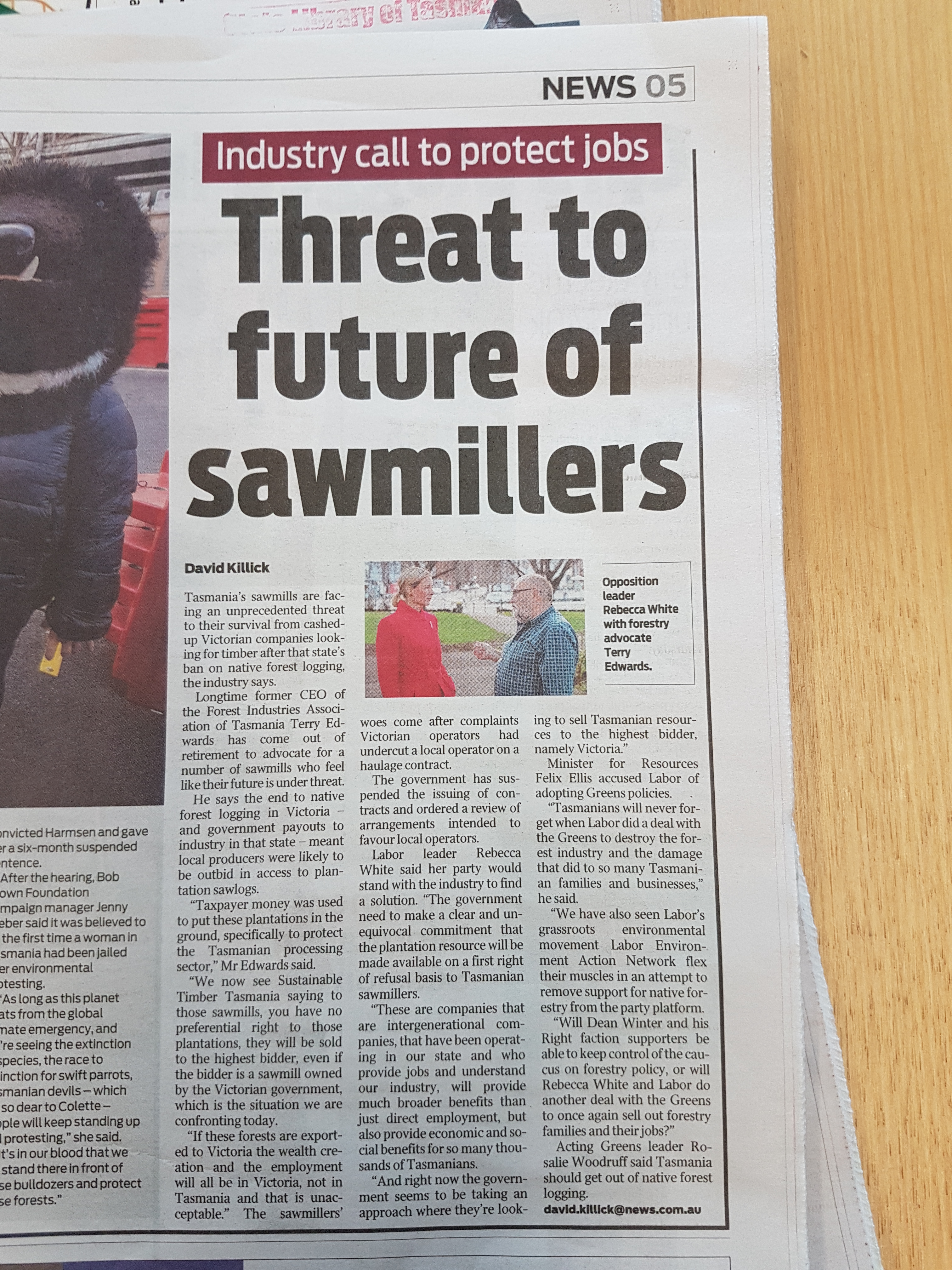
This article appeared in The Mercury newspaper last Saturday the 15th July.
It’s a monster!
Terry Edwards is the old Tasmanian forest industry warhorse now retired. But old warhorses never really retire.
And here is Terry back beating the war drums once again.
This time it’s not “The Greenies” he is raging against but the State government!
How dare the Tasmanian State government not continue to subsidise the very welfare dependent forest industry.
How dare the Tasmanian State government sell it’s forest products onto the open commercial market, and not give them to local sawmillers.
It’s an outrage!!!
No! It’s the forest welfare industry doing what it has always done – cry poor and play politics!
It doesn’t say but I assume the sawlogs being discussed are the first harvest of Regional Forest Agreement pruned hardwood plantation sawlogs, that the local sawmillers said they weren’t interested in 25 years ago when they were planted.
My how times change! And old behaviours and attitudes don’t!
What Terry Edwards is saying is that the Tasmanian sawmillers don’t want to operate in a competitive commercial marketplace. They haven’t for 200+ years and they certainly are in no position to be competitive now. Two hundred years living on forest welfare has left the Tasmanian industry a complete basket case.
Subsidizing sawmillers has been government policy in Australia since 1788, which is why our forest industry today is now at deaths door.
The other message from Mr Edwards is about sawlog price control and manipulation. The forest industry does not want an open competitive market operating in Tasmania.
That is a very clear message to Tasmanian farmers to never plant a tree for the forest industry because you will never ever get a fair market price!
Terry Edwards wants the forest industry to wither and die.
I could also point out that what Mr Edwards is proposing is in breach of numerous commercial and trade practice laws. Those cashed up Victorian sawmillers may very well take the Tasmanian government to the High Court, and bring the whole facade crashing down.
Now that would be fun to watch!
Until we get all the welfare recipients and their supporters (like Mr. Edwards) out of the forest industry there will no future.
We will probably never know the real history of public native forestry in Victoria (or any other State for that matter) and the reasons why it failed. History was never on the side of native forest logging anyway, it was always a matter of time and circumstances.
New Zealand made the right decision 30 years ago. It’s a shame that Australia didn’t change then also. As a result the New Zealand forest industry is now much more advanced than ours in Australia.
The problem here in Australia is that the forest industry is preparing to die in the trenches over public native forestry. According to forest industry leaders, dying in the trenches is a better strategy than have a plan for the future. I can’t see the logic in that thinking myself.
Tasmania
Following the announcement in Victoria, the adrenalin started pumping over in Tasmania where forest industry leaders think they see a major commercial opportunity coming their way.
Swimming against the tide as usual the forest industry in Tasmania wants greater access to public forests to take advantage of the lack of competition on the mainland. Instead of seeing their future now very much on borrowed time, the Tasmanian industry thinks their ship has come in!!
That demonstrates beyond doubt just how utterly deluded the forest industry has become.
There is no doubt that New South Wales will be the next State to end public native welfare forestry in the next 1-3 years, leaving Tasmania as the recalcitrant State as usual.
After almost 60 years of forestry wars in Australia the end of the war is finally in sight.
Much damage has been done politically, environmentally and socially. Many people will never recover from their wounds and deep prejudices. Such is the way of human stupidity and ego.
Probably Tasmania is the State that has suffered the most from the Forestry Wars. It has permanently corrupted our political system and left the community deeply divided.
The damage to the Tasmanian forest industry is probably permanent.
In my next blog I will reflect on possible futures for timber markets and the forest industry.
This is hilarious and so characteristic of forest industry thinking in Australia.
The Western Australian Forest Products Commission FPC (State forest agency) is offering free/low cost pine seedlings to farmers to establish pine plantations.
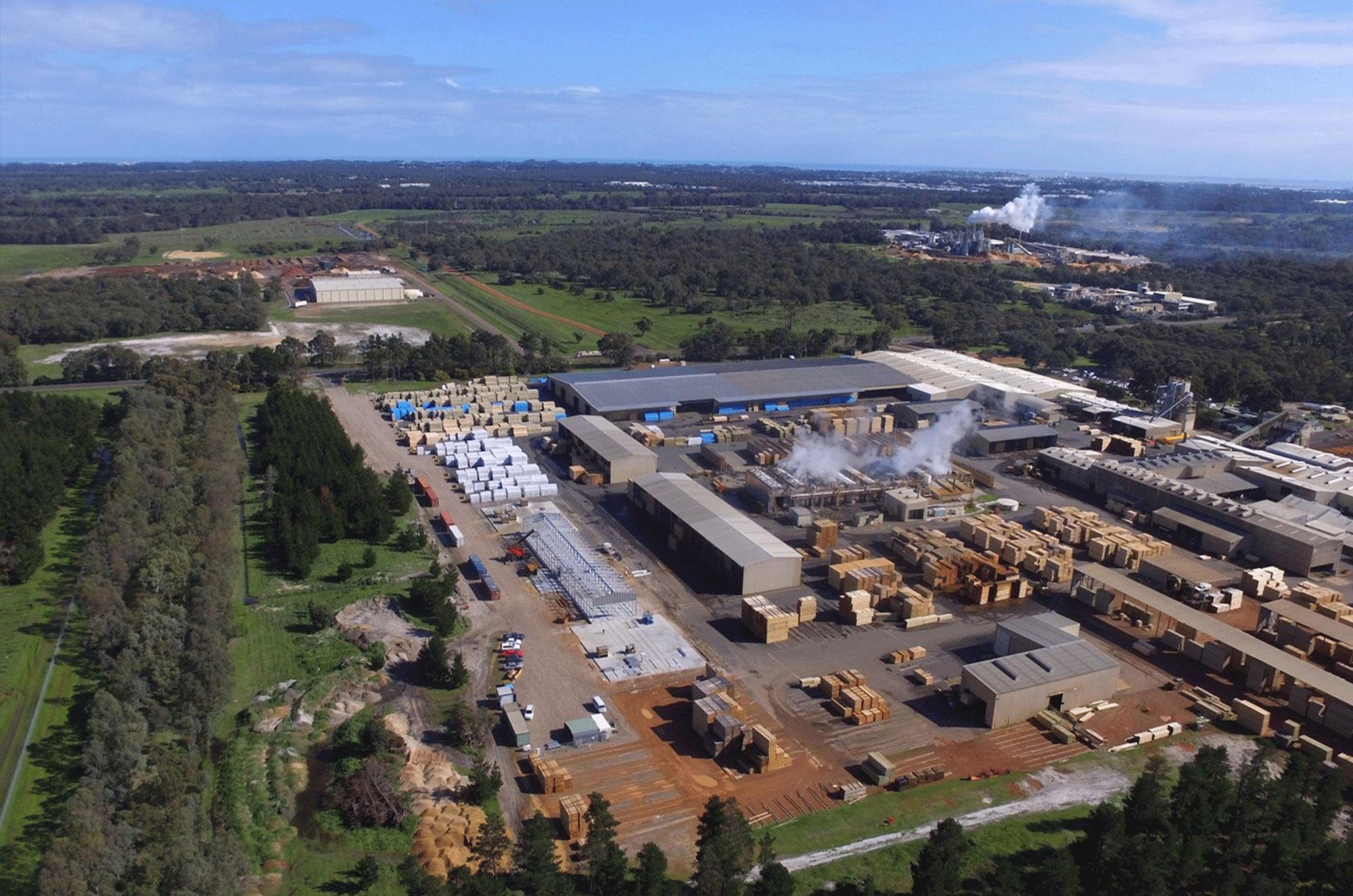
Western Australia is shutting down its public native forestry next year (2024), and its small softwood plantation industry is shrinking due to loss of plantation resource (due to a number of factors). The vast majority of Western Australia’s softwood plantations are government owned, and there is only one softwood sawmill called Wespine.
As far as I’m aware there are no other markets for softwood logs in Western Australia, not even log export.
The Western Australian government wants to grow the softwood plantation industry to help maintain the competitive viability of the existing industry.
But there is the flawed thinking!
The Western Australian government wants farmers to grow Radiata pine to then sell to a monopoly buyer whilst competing against the government who dominant the pine log market!
Now what farmer is going to fall for a scam like that?
The whole focus of government policy is industry support (ie. corporate welfare).
The focus of government policy should be on profitable tree growing not corporate welfare. Even if tree growing were profitable it would still take enormous effort to convince farmers to make the 30+ year investment in tree growing.
My other observation is that Wespine is your typical sawmiller. They take absolutely no responsibility for their own future in terms of log supply and company growth.
Go to the Wespine website and see if there is any engagement with the farming/tree-grower community.
How much is Wespine willing to pay growers for pine logs?
What is the condition of current markets?
What are Wespines plans for the future?
How is Wespine supporting, encouraging and rewarding tree growers?
Nothing but a deafening silence!!
The Western Australian softwood industry has no future under current government and industry policy and thinking.
It is completely laughable!
So dear readers, tell me your ideas about how Western Australia should grow its softwood plantation industry. Does it have a future?
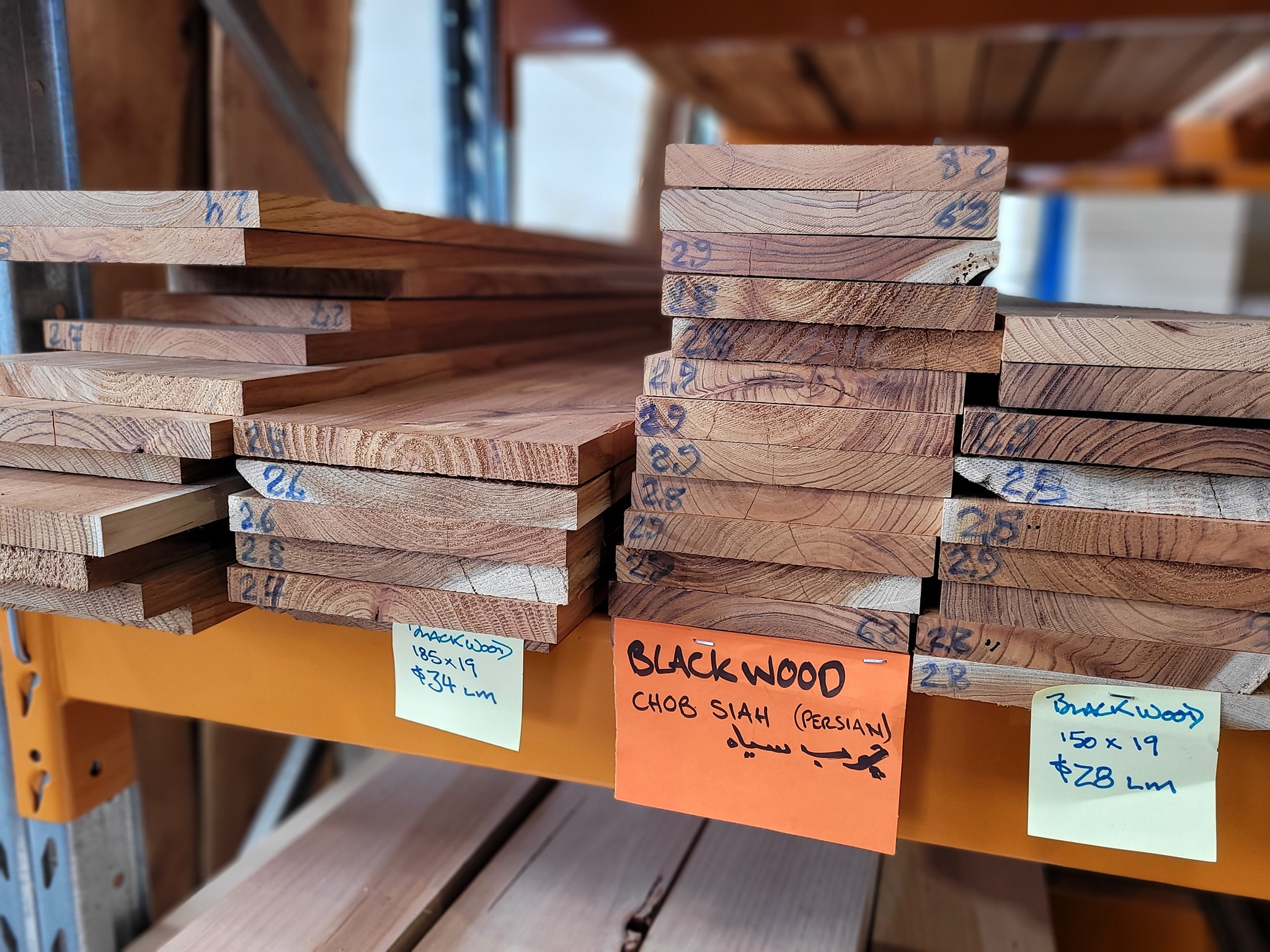
Farm grown blackwood timber at Ceres Fair Wood, Melbourne. $10,000 per cubic metre. Ceres Fair Wood is one of the few businesses in Australia that cares about the future of quality wood.
The Past/Present
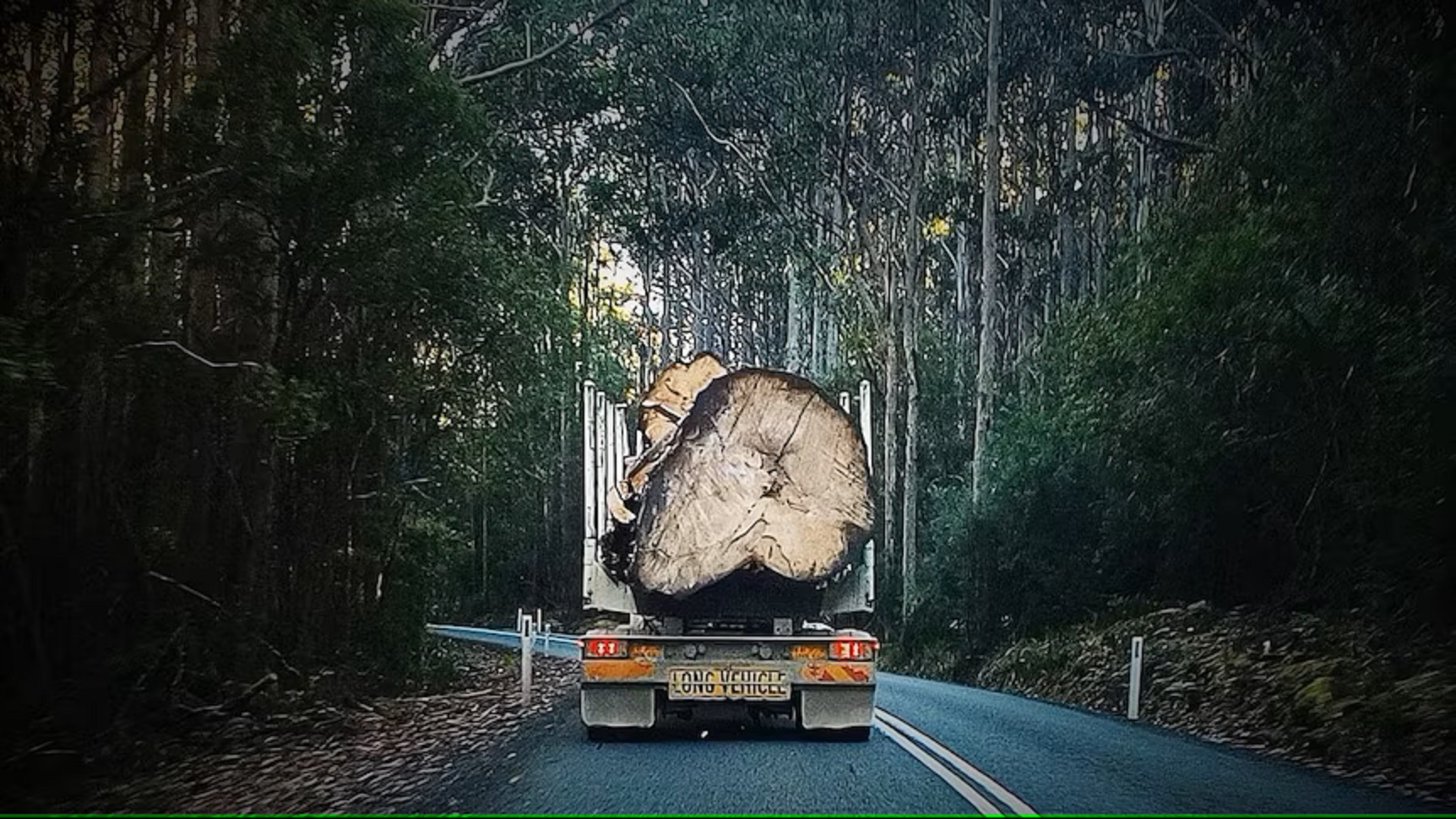
For thousands of years humans have been using wood for all sorts of reasons – to hunt, cook, stay warm, build shelter and wage war. And for all that time we have had natural forests to plunder. Whatever wood we could find we used, mostly with plenty of contempt and waste.
But the days of plundering natural forests are just about over.
One of the problems this history has created is dysfunctional wood markets.
Cheap plentiful wood from natural forests has meant no one has ever taken responsibility for the future. Cutting down and sawing up trees is simple. Getting trees planted and managed for the future is the real challenge.
There are thousands of businesses in Australia that rely on wood (harvesting, transport, milling, retail, manufacture, craft, music, art, etc.), and 99.99% of them take no interest or responsibility in the future supply of wood.
There is no relationship in the market between using and consuming wood and a tree being planted and managed.
Third party certification schemes such as Responsible Wood/PEFC and FSC are not building the forest industry and growing more wood for the future. Their goal is to save and better manage existing natural forests, not to grow more new wood resources.
The fact that the forest industry in Australia has never established any commercial credibility hasn’t helped the situation.
There must be a credible, transparent relationship between the price of wood and the cost of planting, growing and managing trees; and that relationship must encourage and support more tree planting to meet future demand.
My focus here is especially the premium solid wood market.
Until we build proper functioning wood markets in Australia most of these Australian businesses will disappear. Some will switch to imported wood when public native welfare forestry is shut down, but many will close. All for the want of a proper functioning wood market.
The Future
There are plenty of challenges that need to be addressed in order to build proper functioning wood markets but they are not insurmountable.
Possibly the first and greatest challenge is market (and consumer) recognition and responsibility.
Proper functioning wood markets in Australia must be driven by the market and consumers.
Recent comments in the media by furniture makers and builders in Western Australia (in response to the shutting down of public native forestry) do not provide encouragement. Can you believe they would rather import timber from Indonesia than support local farm forestry?
How the thousands of wood-dependent businesses in Australia will come together to coordinate and plan their future is part of this challenge. Most of these businesses are too small to achieve much by themselves. The Australian Furniture Association could take on this role for furniture makers. Builders, cabinet makers and retailers could possibly join the AFA in this.
2. The second challenge is getting the farming community on board to plant, grow and manage the trees that the market wants.
I personally think this second challenge is by far the easier of the two.
Once farmers see the market change to being responsible and supportive they will quickly get on board.
There will need to be some serious talking and building trust, and careful management of risk.
Unlike the past where the market could pick and choose from a wide variety of natural forest woods, the market must now decide on which species it wishes to promote and support in farm forestry. Species must be fast growing and command sufficient market price to allow farmers to grow them commercially. Given we are talking 30+ years between investment/planting and harvest/revenue/profit, this will require careful consideration, coordination and planning.
The idea that farmers just randomly plant hundreds of different tree species in the hope of finding a buyer in the future just wont work. Farm forestry for the growing of high quality premium solid wood will require coordination and planning, driven by the market.
This is where organisations like the AFA must play a central role.
Final some discussion about markets.
Will there still be demand for premium quality solid wood in 30+ years time?
Certainly over my 40+ year career as a forester I have seen premium quality solid wood go from a being a common cheap product to a scarce expensive product, with all indications leading to its eventual disappearance from the Australian market entirely.
I think this is primarily a supply issue, rather than one of demand.
I see sufficient evidence that the market is prepared to pay very high prices for quality solid wood.
The problem is that in a dysfunctional wood market, these price/demand signals don’t trigger a supply response as they should. If we had a strong farm forestry culture in Australia and proper functioning wood markets, these price/demand signals would be making front page news. That is where we need to get too!
Tasmania has had a rabidly pro-forestry Parliament for generations; at least rabid in terms of rhetoric!
But when it came to developing a State policy on the protection of agricultural land plantation forestry was the only primary industry specifically mentioned.
Plantation forestry is the ONLY primary production that is specificallyexcluded from designated prime agricultural land in Tasmania.
Principles 3.10 and 3.11 of the Policy specifically discuss plantation forestry. Principe 3.10 provides a general exclusion of plantation forestry from Prime Agricultural Land, whilst 3.11 allows plantation forestry to be excluded from any other agricultural land.
What is the purpose of the Policy?
What developments are affected?
Where does the Policy apply?
To conserve and protect agricultural land so that it remains available for the sustainable use and development of agriculture, recognising the particular importance of prime agricultural land. ‘Agricultural use’ includes use of the land for propagating, cultivating or harvesting plants or for keeping and breeding of animals, excluding domestic animals and pets. It includes the handling, packing or storing of agricultural produce for dispatch to processors or markets and controlled environment agriculture and plantation forestry.
Proposed non-agricultural use and development that is ‘discretionary ‘or ‘prohibited’ on land zoned either Significant Agriculture or Rural Resources in planning schemes or land adjoining these zones but with a different zoning.
All agricultural land in Tasmania zoned either Significant Agriculture or Rural Resources in planning schemes
Prime Agricultural Land (PAL) is defined as land with Land Capability Classes 1-3, as discussed in the following website:
PAL comprises 108,000 ha or just 4.3% of Tasmanian private land.
So why specifically exclude plantation forestry from 4.3% of Tasmania’s private land?
Why not exclude mohair goats, walnuts or truffles as well? Why pick on trees?
For a rabidly pro-forestry Parliament this Policy makes no sense whatsoever.
If a farmer plants a tree on any of these 108,000 ha are they breaking the law? Will they be prosecuted?
I know lots of farmers say you can’t eat wood, but as the recent global timber shortage demonstrated, neither can you build houses out of vegetable waste!!
As I’ve said many times before the forest industry in Tasmania is struggling to build a future. It wants to encourage farm forestry, but the Government has put numerous hurdles in its path. This Policy is one such hurdle.
Another hurdle is the treatment of plantation forestry under the Forest Practices Code. Plantation forestry should be treated just like any other primary industry, subject to the same rules and regulations. Just like it is in New Zealand!
It’s called a level playing field, and allows farmers to make better investment decisions to improve their commercial performance.
Now I think about it, the only reason plantation forestry is specifically mentioned in this policy is a warning to politicians. Under current markets the only way forest plantations would be grown on prime agricultural land is if politicians intervened to distort and corrupt markets as they did during the Managed Investment Scheme (MIS) disaster.
But as the world continues to run short of timber and wood prices increase, this Policy will need to be reviewed. The Tasmanian Government will need to start encouraging farmers to grow trees instead of discouraging them.
Back in June last year (2020) I wrote a submission to a Federal Parliament House of Representatives Standing Committee inquiry into plantation log supply constraints in Australia.
As I noted at the time, the Terms of Reference for the inquiry were very typical for the forest industry in Australia, ie. the focus was all on the processors and “jobs”.
And the title for the final report says it all (what a f*****g joke!):
Aussie logs for Aussie jobs
Inquiry into timber supply chain constraints in the Australian plantation sector
Was the inquiry about supporting, encouraging and rewarding profitable tree growers?
Not on your life!
The primary focus of the inquiry was about protectionism and market manipulation.
Don’t get me wrong! I’m happy to support local processing of forest products, but not if it means denying growers the right to open, competitive, transparent markets. Making long term investments, like growing timber, is hard enough without Governments and industry slamming the door in your face.
And this Inquiry and this Report provide absolutely no comfort to existing and potential timber growers, that such market interference wont happen!
So what can I say about the Report?
At least the report is more honest about the current state of the forest industry in Australia than a lot of previous reports.
The picture is rather gloomy!!
The forest plantation sector in Australia is in decline, losing resource and becoming less competitive.
The focus of the report is on commodity wood (pine and hardwood woodchips), with no mention of high value appearance grade forest products.
If nothing else, I recommend reading the section on Farm Forestry which begins on page 59 of the Report. I don’t agree with everything it says, I do agree that there are significant issues, most of which are not being addressed.
One curiosity is the mention in the Report of a “National Farm Forestry Strategy”. Apparently the Federal Government is producing one, but if you Google “National Farm Forestry Strategy” nothing appears!! We have had these strategies before and they have all failed. Let us wait and see!
And the biggest issue for me is the culture and attitude of the forest industry itself, and the “head-in-the sand” attitude of the marketplace!
This recent commentary from the forest industry demonstrates yet again the arrogance, contempt and feral attitude that the industry shows towards the Australian community:
The Murrindindi Shire in the Central Highlands of Victoria is Ground Zero for public native welfare forestry in Victoria. Not surprisingly the local Murrindindi community are getting increasingly agitated and concerned about the impact forestry is having on their lives and livelihoods.
The arrogance in the language of the Timberbiz commentary is nothing short of offensive!
If the forest industry loses the support of local communities then it only has itself to blame.
Treating local communities with such blatant arrogance and contempt will only hasten the isolation and decline of the forest industry.
Murrindindi Shire is close to the City of Melbourne, so many of the residents are not dependent on forestry welfare, hence the growing concern and criticism.
The Murrindindi Council are the elected representatives of the local community, a fact which the forest industry chooses to ignore.
As a forester I fully support the Murrindindi community in their right to show care and concern for their future.
As a forester I condemn the offensive attitude and language of the forest industry.
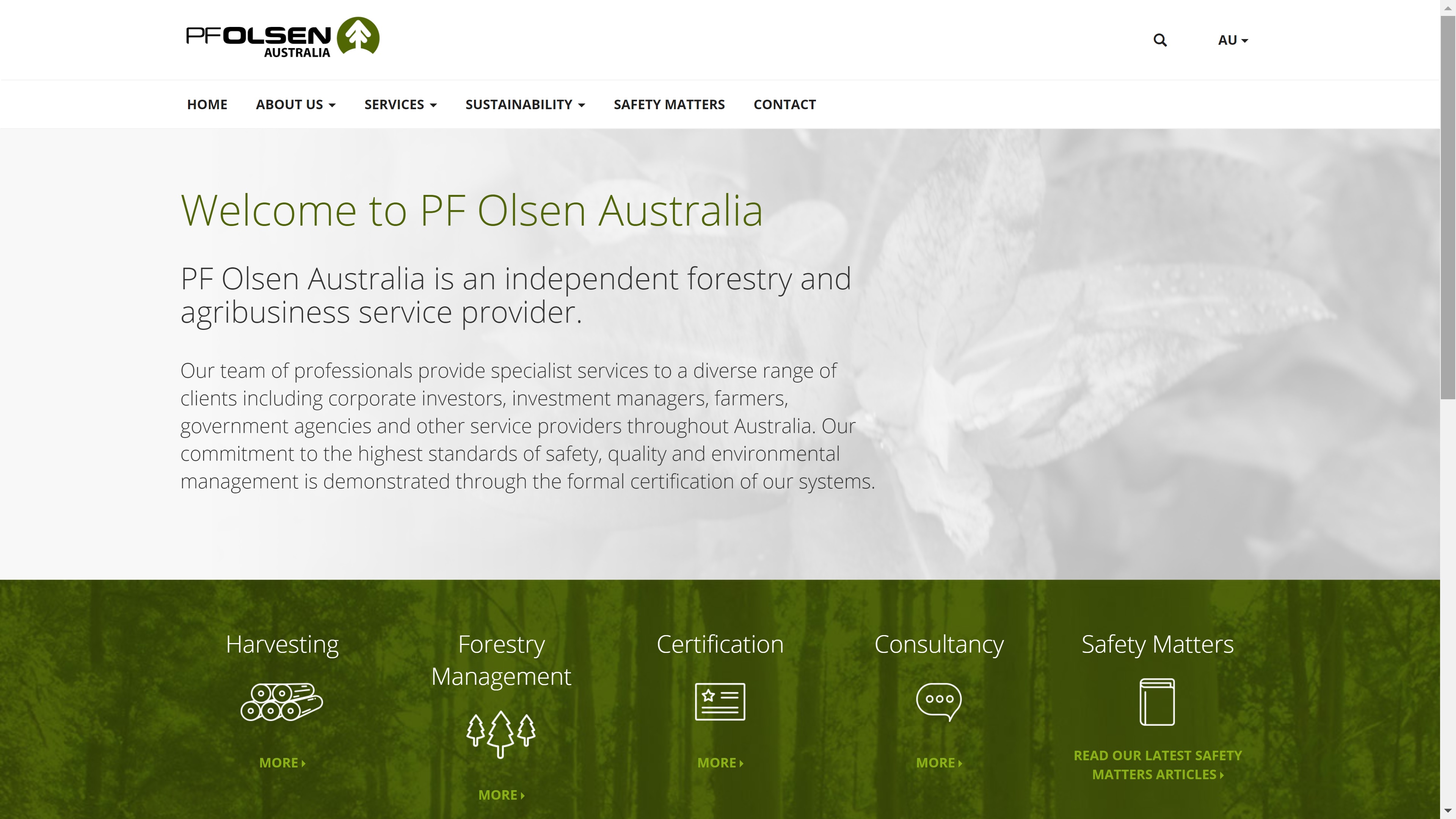
Notice the headings across the top of the page. How do they compare with the New Zealand website?
The Australian website contains nothing about Contractors & Suppliers nor about Market Information & News!
Why is that?
Are there no forestry markets in Australia?
Do tree growers in Australia not want access to uptodate market information?
Or is it because profitable tree growing is not the focus of the forest industry in Australia?
New Zealand has a real forest industry where the focus is on supporting tree growers to make sure they are as viable and profitable as possible. That way more farmers plant trees, the forest industry expands and has a successful future.
It is a successful simple industry model!
PF Olsen NZ is acutely aware of this and do their bit to ensure tree growers and the forest industry share a successful future.
Go to PF Olsen’s New Zealand website and check out their Market Info & News. It’s a great resource for NZ farmers!
Curiously PF Olsen Australia does not seem to share the same vision.
The focus of the forest industry in Australia has always been about supporting and subsidising domestic processors, at the expense of growers and the future of the industry.
Curious to hear your thoughts on this.
Please post a comment…
PS. If anyone can find a single Australian forest industry website that provides uptodate market information I’d love to know. Thanks.





 Tasmanian Blackwood Growers Cooperative
Tasmanian Forest Economics Congress – what next?
The much anticipated MONA Forest Economics Congress has been and gone.
I wrote a commentary back in August when the event was first announced.
I did not get an invitation to the congress so I cannot write from personal experience, only from what I have read and my long history in Tasmanian politics and the forest industry.
The congress received considerable media coverage, especially on the mainland.
The only post-congress media coverage was the following article in The Mercury newspaper Saturday 2nd December.
To date MONA has not published any details about the congress – who were the speakers, what was discussed, what was agreed and what was disagreed?
https://mona.net.au/blog/2023/08/forest-economics-congress-new-a-class
As expected, the usual suspects attempted to make political mileage out of the congress, rather than act in a respectful and positive manner. There are plenty of people who want the status quo to remain.
The further “working sessions” that Ms Kaechele plans to organise should be interesting. Where is all this discussion heading? Any change in the forest industry status quo will inevitably result in winners and losers. How do we stop this becoming yet another forestry bun fight?
Edit: We have had “collaboration” before in 2011-2012 with the 2013 Tasmanian Forestry Agreement, but that collaboration was betrayed by Tasmania’s corrupt political system and the 2014 Tasmanian State election. The corrupt political system remains a major threat to Ms Kaechele’s plans.
The fundamental problem is that public native forestry is a political decision made by the Tasmanian government, and the Tasmanian parliament has made it perfectly clear that the status quo is unlikely to change.
If Ms Kaechele wishes to promote change in the forest industry and politics, then she must engage with the wider Tasmanian community. Otherwise she risks repeating the disaster of the 2013 Tasmanian Forestry Agreement/2014 State election. She, and the members of the congress, must convince a significant portion of the Tasmanian community that a better future is available. Otherwise the congress will become yet another forestry political football used to divide and destroy the Tasmanian community, just like the 2013 Forestry Agreement.
The failure of both the Tasmanian government and the Tasmanian forest industry to respond positively to the congress may well be the straw that finally breaks the camel’s back. This charade called public native forestry is teetering on the brink. Any player in the charade may finally decide the game is over, and bring the house of cards crashing to the ground.
We can only hope!!
3 Comments
Posted in Commentary, Politics, Public Native Forestry, Sustainable Timbers Tasmania, Tasmanian Forest Products Association
Tagged MONA