
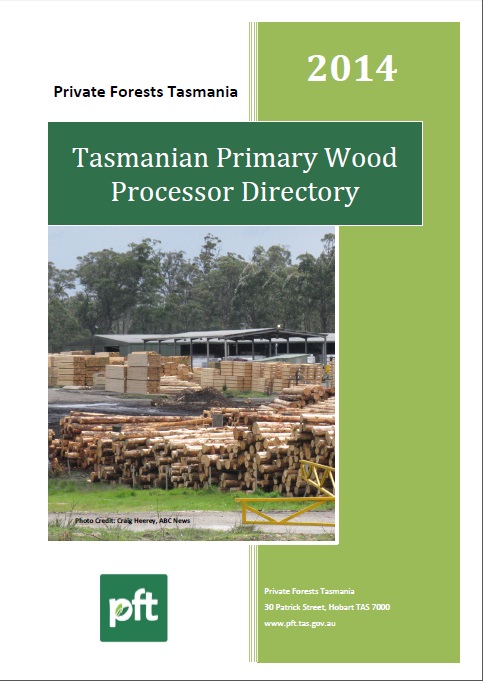
Private Forests Tasmania (PFT) has just released an updated Tasmanian Primary Wood Processor Directory.
http://www.pft.tas.gov.au/index.php/publications/market-information
The directory is a listing of 45 of the estimated 57 primary wood processing businesses believed to be operating within the State of Tasmania at the time of publication.
The directory has been primarily developed to help private forest owners with logs for sale to identify potential buyers. As well as enabling the forest owner to more easily locate and contact primary wood processors, it also identifies the log types purchased by them.
The directory also helps the listed primary wood processors to source logs from the Tasmanian private forest estate.
It isn’t at all clear to me how the directory helps the listed primary wood processors to source logs from the Tasmanian private forest estate, but anyway….
18 of the 45 listed processors indicate that they want to buy blackwood logs from private landowners. To find these processors simply download and open the document in Adobe Reader. Once the document is open press the Ctrl+Shift+F keys together on your computer. In the search box type “blackwood” and hit the Search button. All 18 instances of the word “blackwood” will now be shown.
ERRATUM: My apologies! I have just realised that three of the primary processors in the Directory list “special species” without listing blackwood separately. I assume these three processors include blackwood in their definition of special species. So that makes a total of 21 of the 45 listed processors are looking to buy blackwood logs from private growers/farmers. That is a very crowded market!!
That there are so many sawmillers around Tasmania looking to buy blackwood logs from private landowners I find very encouraging.
Clearly there is good demand for blackwood timber.
But what size and quality logs, and at what price? What markets are these processors accessing? These are critical questions that need answers.
If blackwood is Australia’s premier appearance-grade timber species then how do we build this industry into something proud and profitable?
How do we get greater transparency and tradability into the blackwood market?
How do we put the blackwood market on steroids?
I don’t mean artificially inflate the demand. I mean create much greater transparency and tradability into the blackwood market so landowners start to see some realtime market activity. Only then will landowners begin to think about investing in the future of blackwood.
How do we get farmers to make a 30-40 year investment commitment to grow more blackwood for the future as both remnant blackwood forest and in plantations?
ANSWER: By giving farmers as much incentive and positive market sentiment and feedback as we possibly can. Once farmers begin to see the blackwood market operating like other rural commodity markets then we might have some hope.
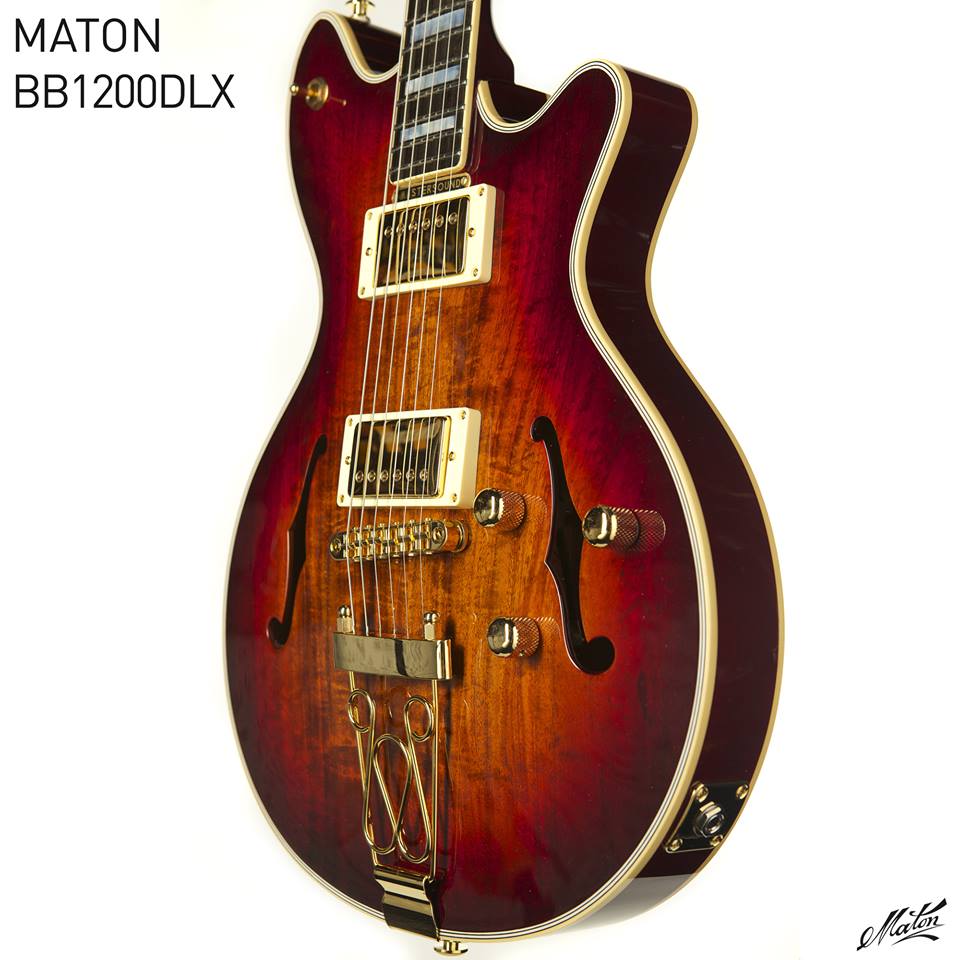
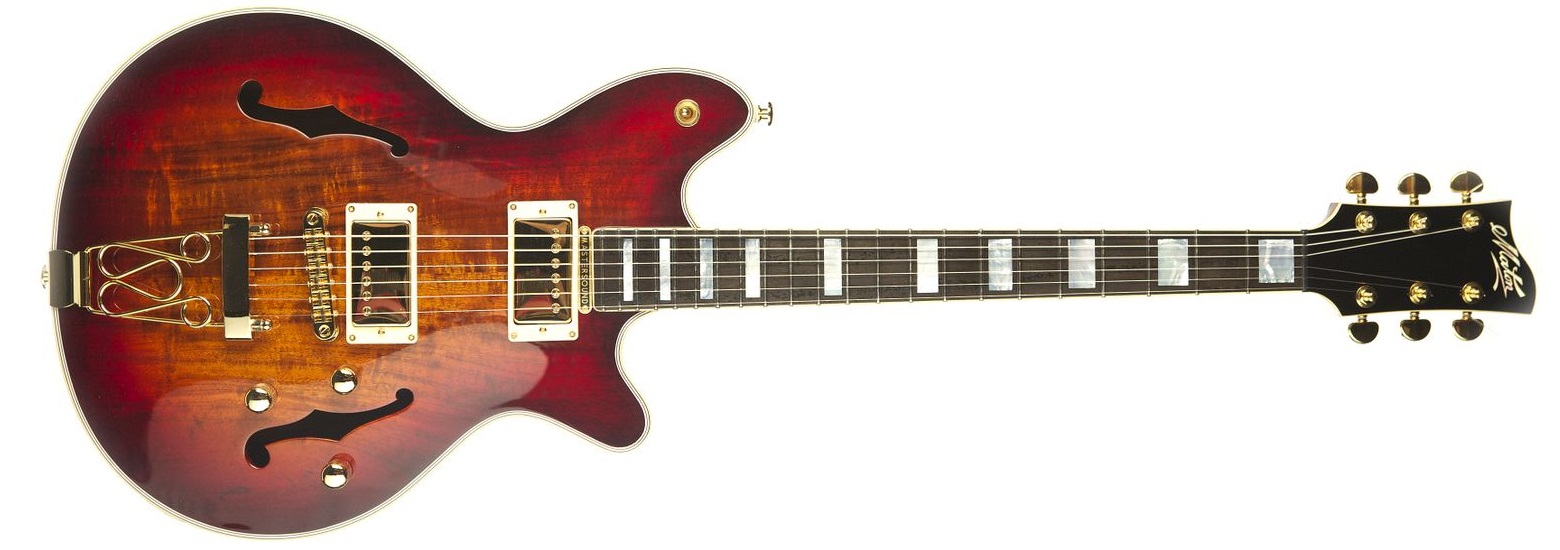
Every day we see blackwood timber making its way to the very highest of the wood value-adding markets both in Australia and increasingly overseas. Markets such as premium furniture, veneers, and musical instruments. So why isn’t this market demand stimulating grower interest? Why doesn’t Tasmania have a thriving blackwood grower community? Is growing blackwood a profitable investment for a landowner?
These 18 sawmillers can help answer these fundamental questions.
How many of these 18 processors are thinking about the future of the blackwood industry as anything other than a clean-up salvage operation?
Are they waiting for the Government to solve the problems of the forest industry, or are they prepared to take responsibility themselves and take some action?
These blackwood sawmillers are fundamental to the future success of Tasmania’s blackwood industry. But things need to change and change radically.
At the moment the blackwood market is completely obscure, which inhibits growth and investment in the industry.
The day that I can write my first Blackwood Market Report for Tasmanian Country will be a significant day for the blackwood industry.
There is plenty of potential and many opportunities with blackwood provided Tasmanians are prepared to help see them happen.
What’s in it for these sawmillers?
- Access to more blackwood resource as more farmers participate in the market;
- Collective marketing with access to more diverse, larger, more profitable markets;
- Stronger links and relationships to both suppliers and buyers;
- Being part of an expanding, high-value, niche market.
Or are we going to surrender our blackwood heritage to the New Zealand farmers?
I would like to hear some thoughts and ideas from these blackwood sawmillers. Reply to this blog, or phone or email me so we can have a discussion.
Cheers!






 Tasmanian Blackwood Growers Cooperative
Continuing the decline – Forestry Tasmania 2014 Annual Report
The recent release of the Forestry Tasmania Annual Report 2014 provides me with yet another opportunity to highlight the continuing destruction of Tasmania’s special timbers industry (including the blackwood industry).
http://www.forestrytas.com.au/news/2014/10/forestry-tasmanias-stewardship-report-2013-14-now-available
My critique will be limited to special timbers. I will leave it to others to highlight the many other unresolved issues. Special timbers are discussed on pages 26-27 of the report. It starts off:
Special timbers are an integral part of the Tasmanian brand. They are used to produce high-value furniture and craftwood products, and include blackwood, blackheart sassafras, myrtle, silver wattle and celery top pine. These timbers are just so incredibly high value they must be taxpayer subsidised (at the expense of our health and education systems).
Production
Total special timbers production for 2013/14 was 9,199 cubic metres which represented a miniscule 0.9% of total public native forest production by Forestry Tasmania. And for this morsel special timbers dominates State forest policy (and Parliamentary time) like no other issue.
Historical data
A curious addition to this year’s report is the inclusion of a chart showing detailed historical special timbers production back to 2003/04 (p. 26). This chart is not referenced at all in the text. Why is it in the Report?
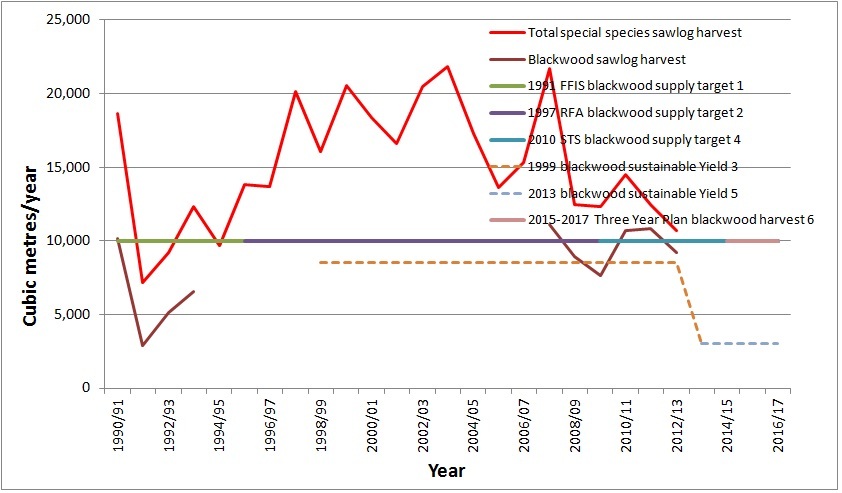
The chart does include four years worth of previously unavailable production data from 2003 to 2007. Only 9 years worth of detailed special timbers production data still remain publically unavailable.
The chart is of limited value as it does not show special timbers production in relation to either sustainable yield, or the RFA/STMS supply target. Therefore in order to improve public understanding and debate I have added the new historical data (including estimating blackwood production by measuring directly off the chart) to my chart of special timbers mismanagement (note the 9 years of missing blackwood production data). If anyone can see in this chart the relationship between planned versus sustainable versus actual production they clearly have a better imagination than I.
http://blackwoodgrowers.com.au/2014/08/14/the-incomplete-history-and-current-practice-of-unsustainable-blackwood-mismanagement/
As noted in a previous blog, the overcutting of the public native blackwood resource continues apace but FT don’t mention this at all.
http://blackwoodgrowers.com.au/2014/07/23/overcutting-of-the-public-blackwood-sawlog-resource-to-continue/
Resource review
The Report tells us that a review of the special timbers resource on Permanent Timber Production Zone land is currently underway, but doesn’t say when this review will be completed or if it will be published. The Report completely avoids any discussion of the planned harvesting of special timbers from Tasmania’s reserves and conservation areas, and the impact this will have on the forest industry and on the broader community.
The Report notes the completion during the year of the blackwood sawlog resource review, noting the new sustainable blackwood sawlog supply of 3,000 cubic metres per year. For my scathing review of this document go here:
http://blackwoodgrowers.com.au/2014/06/23/the-incomplete-history-of-unsustainable-blackwood-mismanagement/
And also see the above discussion re. historical data and imagination.
Island Specialty Timbers
For the very first time in an annual report the performance of Island Specialty Timbers (IST) gets a mention. On page 27 we learn that:
I’m happy to be corrected but I reckon this is the very first time that a good product sales result has ever been trumpeted by FT in its annual report, even if they have treated it as a minor footnote, and this information about a single sassafras log has almost no market significance whatsoever.
What we didn’t learn:
Conclusion
In the current difficult financial times when we are sacking Tasmanian teachers and nurses, why must Tasmanian taxpayers continue to subsidise the special timbers industry? Why can’t the special timbers industry be run as a fully commercial, profit-driven business? What in fact does “high-value” or “special” mean at Forestry Tasmania?
The complete absence of information and discussion in the Annual Report around the commercial management and performance of special timbers is pretty symptomatic of Forestry Tasmania’s culture and its many problems.
Forestry Tasmania continues to demonstrate a complete lack of interest in commercial management and performance.
They don’t even have the integrity to tell Tasmanian taxpayers how much they are deliberately subsidising the special timbers industry.
As an example of open honest transparent stakeholder engagement I continue to identify significant opportunities for improvement from Forestry Tasmania in their reporting.
Can anyone please tell me why this complete disaster continues to get Parliamentary approval and support?
Leave a comment
Posted in Commentary, Forestry Tasmania, Politics